Design the shoe.Get the pattern.
Pick a style and a size, see every piece on a real last, then lay it flat into a 1:1 pattern for the factory.
One thinkjoin account opens thinkfoot and every thinkjoin room.
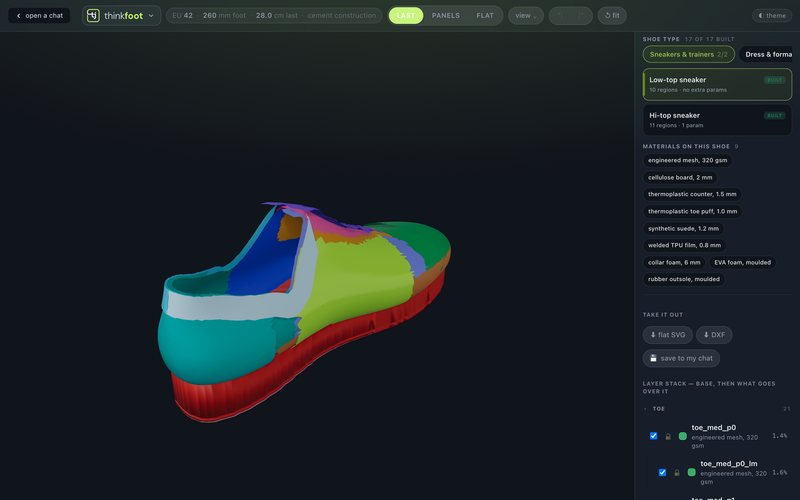
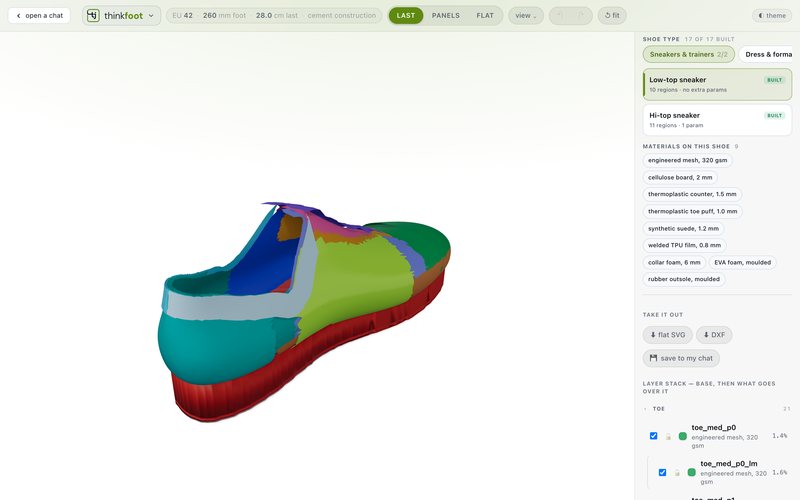
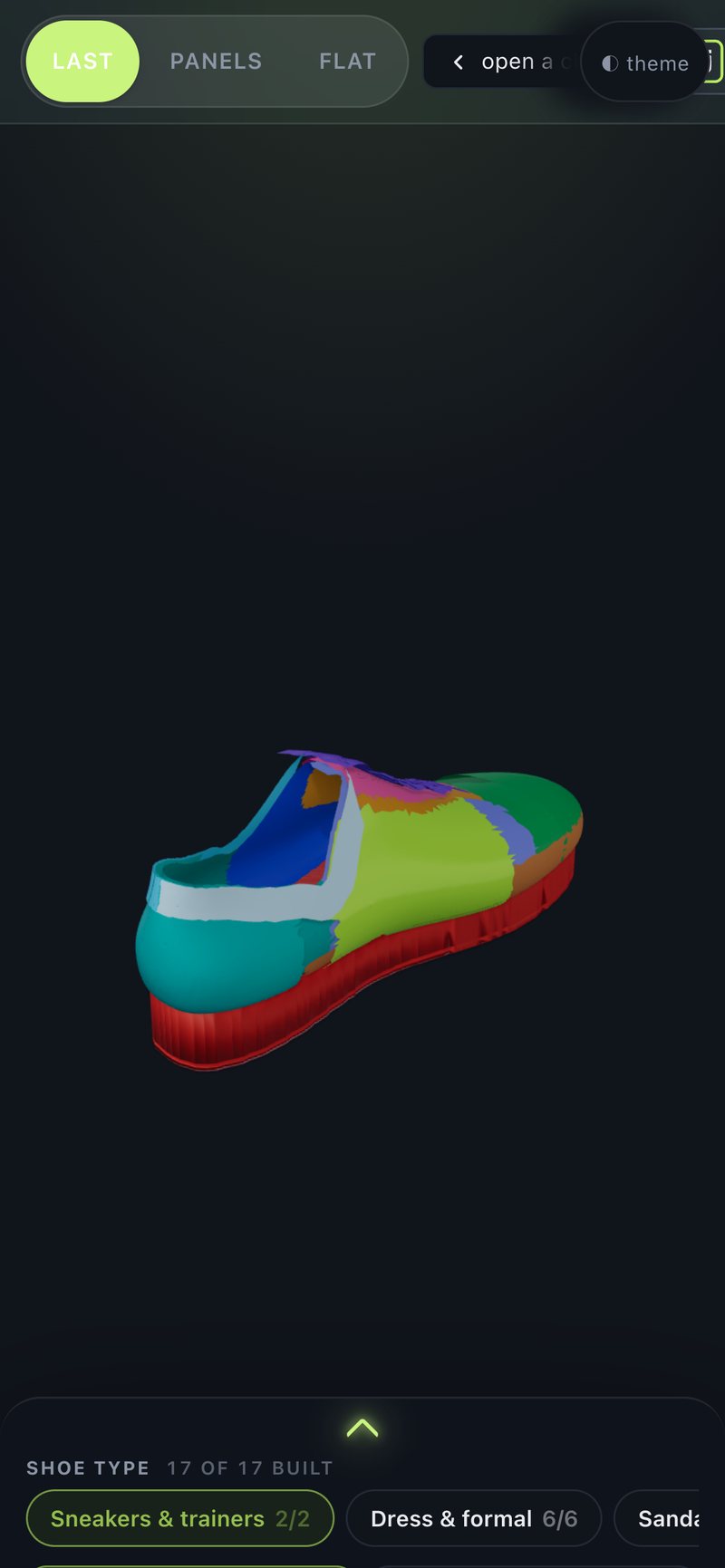
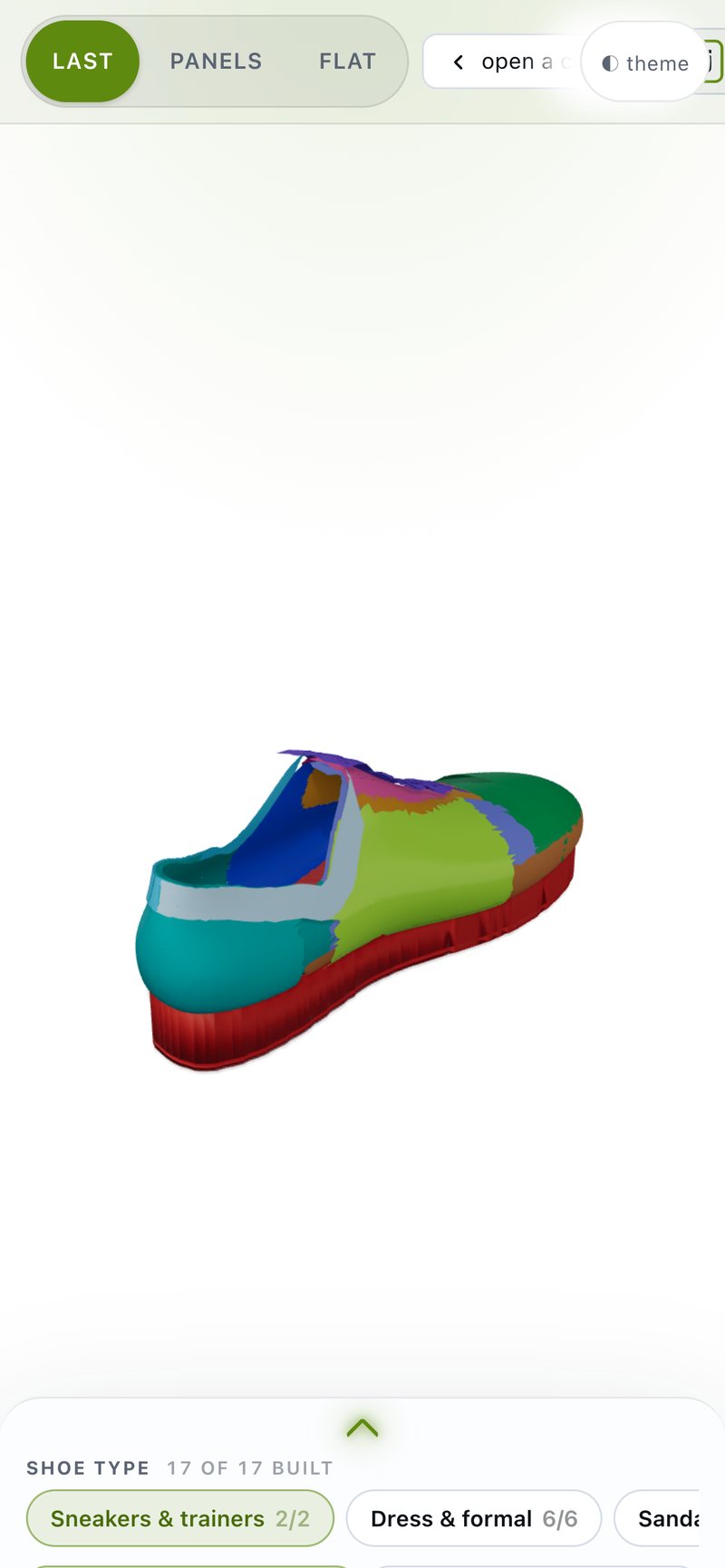
The real studio, in its photoreal view: a low-top sneaker on an EU 42 last, its nine materials listed beside it.
A shoe pattern used to start with tape.
Making a shoe pattern by hand takes a physical last, rolls of masking tape, a pencil and a lot of card. thinkfoot does each step on screen, from one 3D shoe, so every step agrees with the last one.
Source or carve a last for every style and size.
Seventeen styles already sit on lasts, and five of them come in every size on file, in UK and EU.
Wrap the last in tape and draw every line by hand.
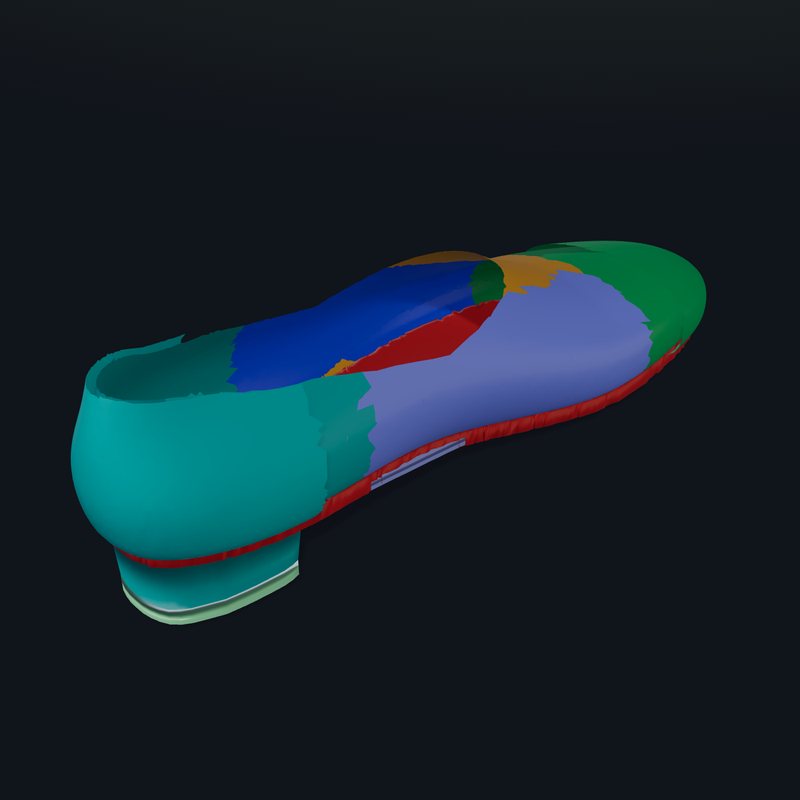
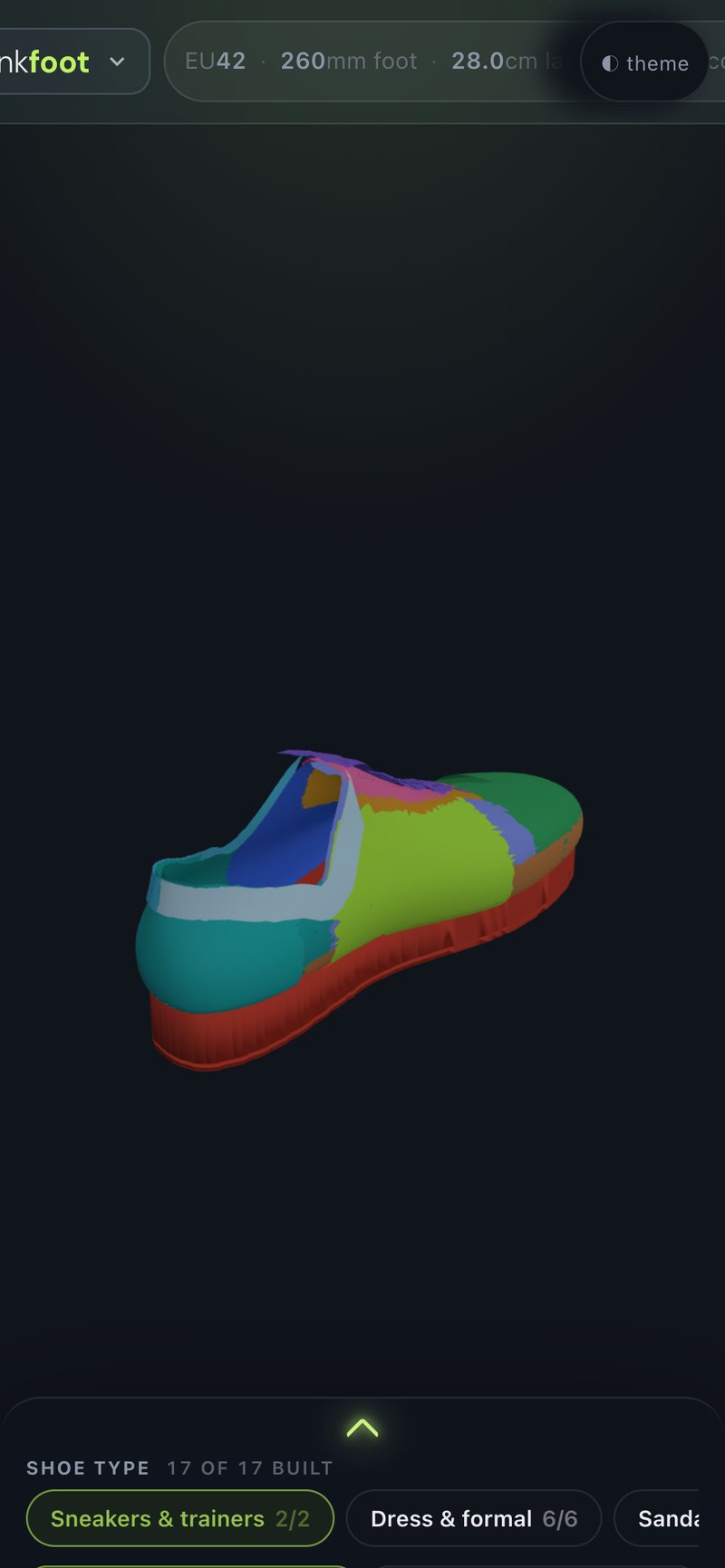
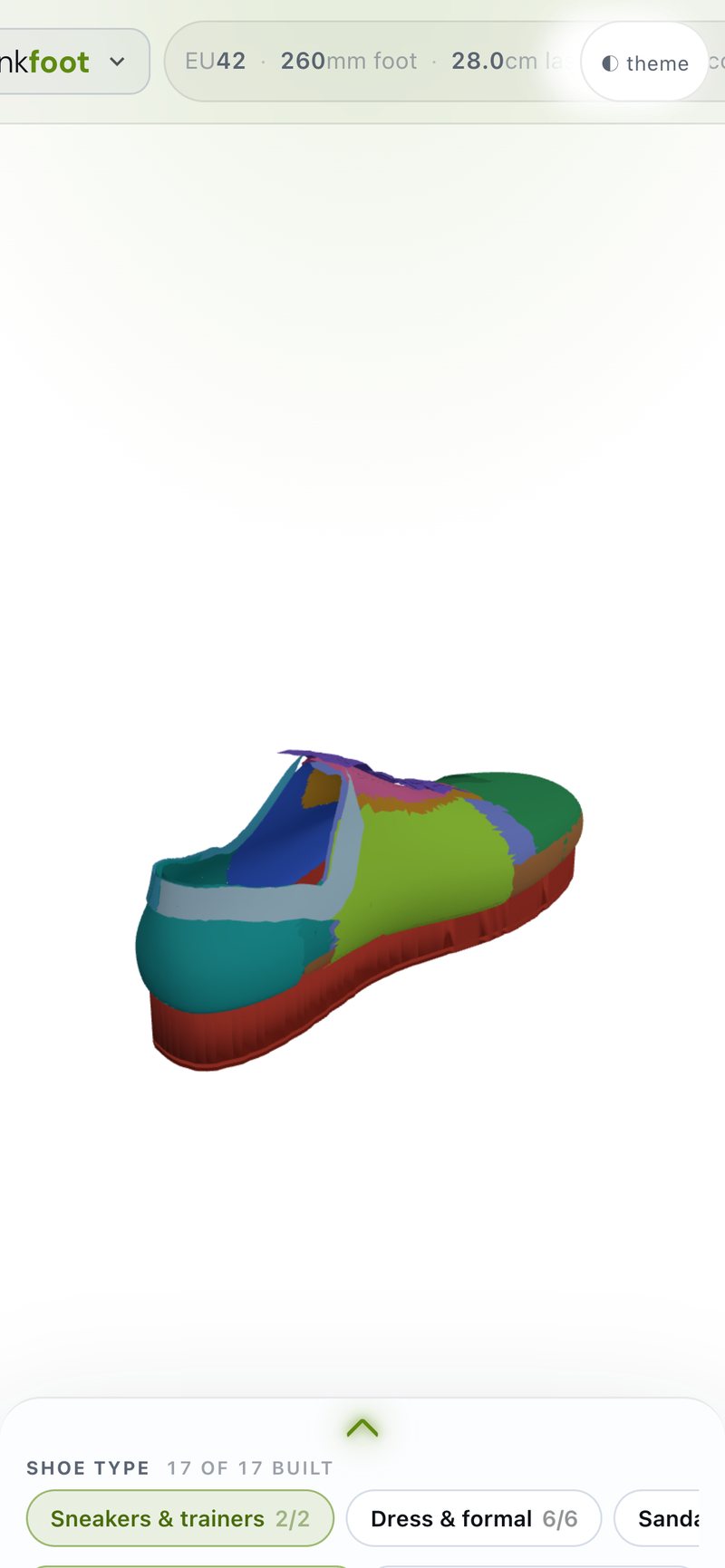
Every piece is already on the last, each part in its own colour: sole, toe, vamp, quarters, heel, tongue.
Peel the tape off, press it flat and guess where it stretches.
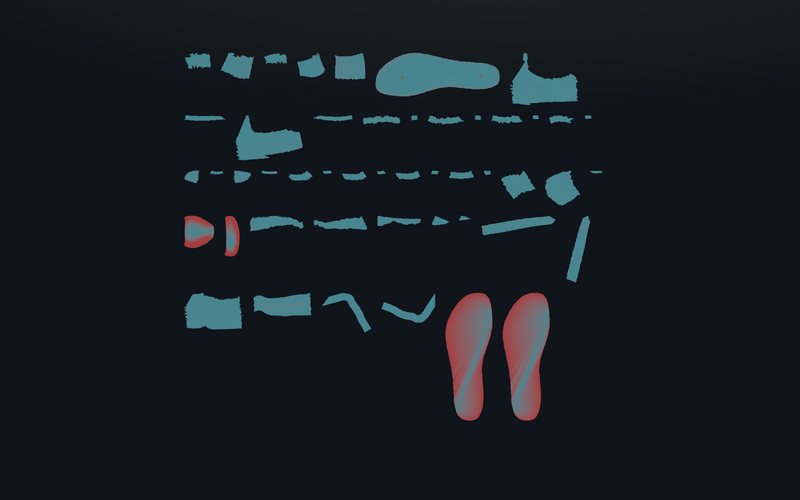
Flat lays out the same 3D pieces and shows the stretch each one has to absorb.
Cut every piece in card, then copy it out size by size.
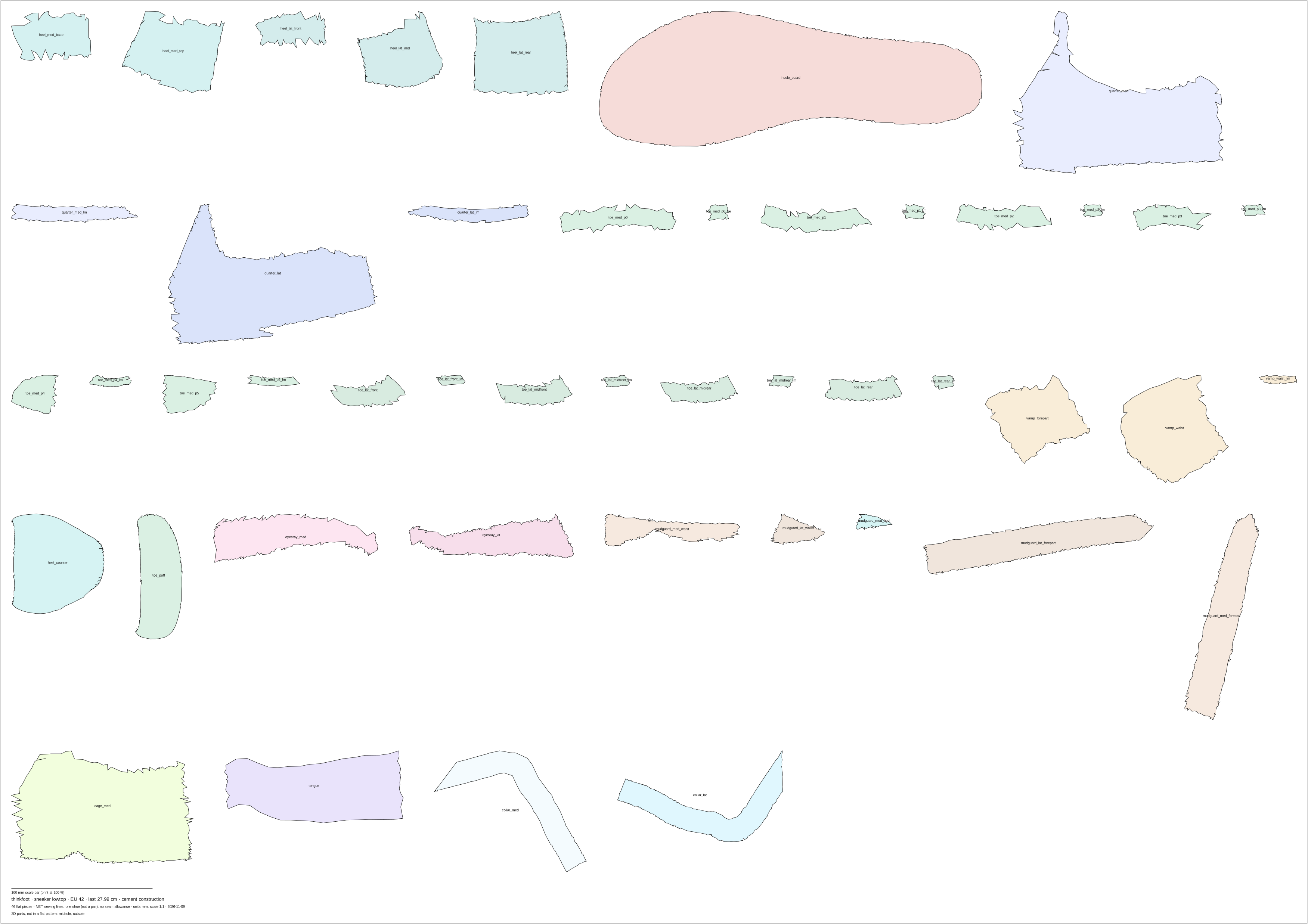
Take the pattern out at 1:1 in millimetres, as SVG or DXF, with a 100 mm scale bar.
Write up the materials and thicknesses for the factory.
Every piece carries its material: engineered mesh 320 gsm, TPU film 0.8 mm, EVA foam and more.
Go on, spin one.
These are thinkfoot's own shoes, built from the parts the studio loads for each style, at real size, every piece in its studio colour. Drag to turn, pinch to zoom.
Low-top sneaker · EU 42 · 48 parts · 28.0 cm last
One shoe. Three views.
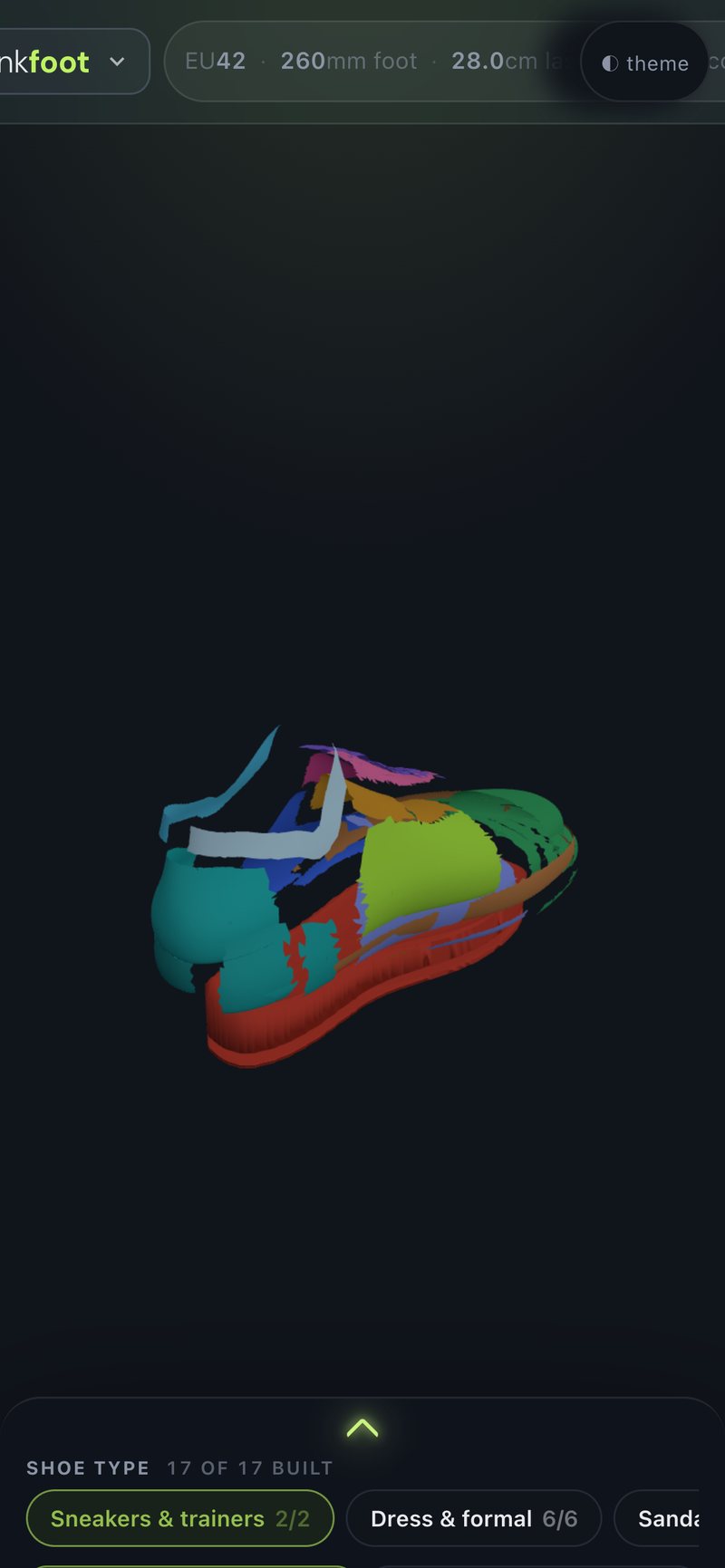
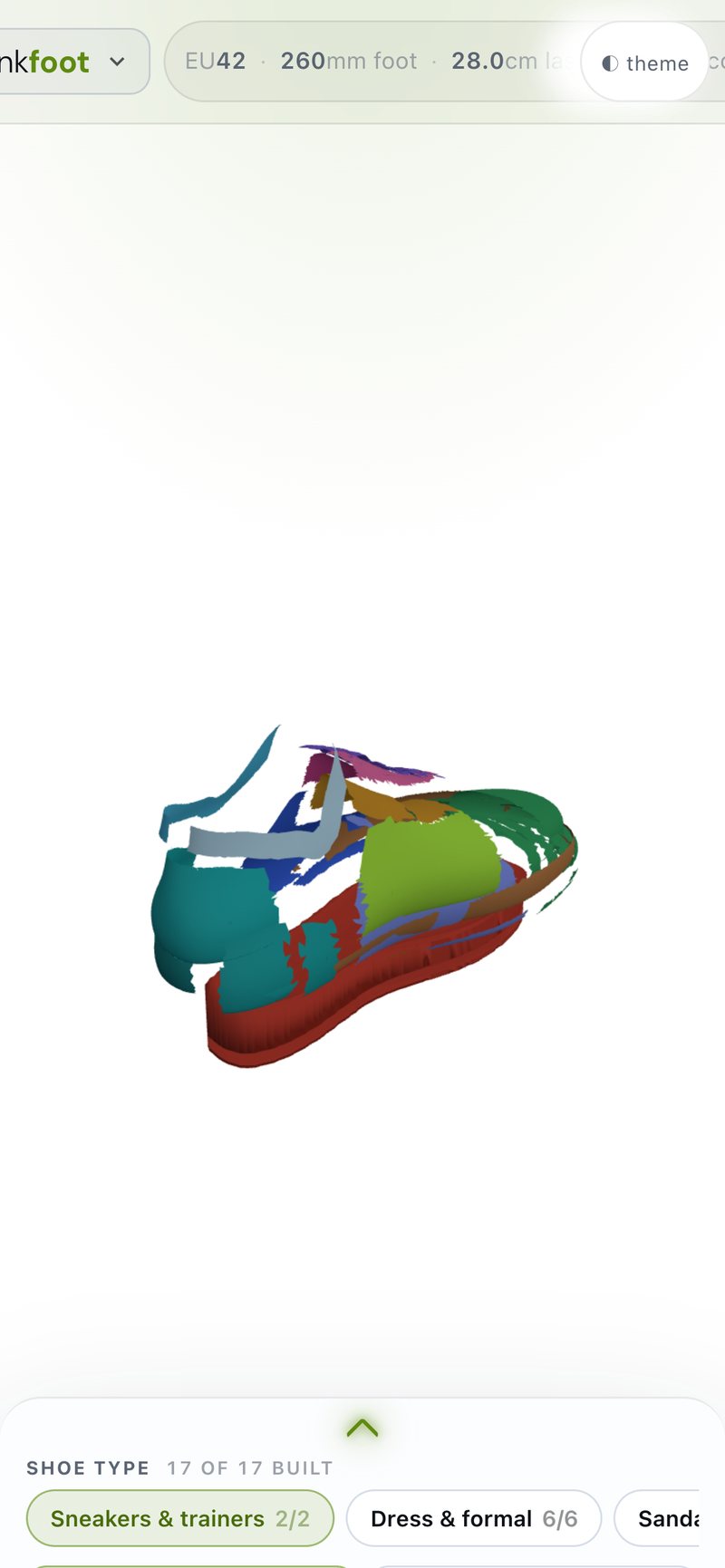
The same geometry moves from the last, to the panels pulled apart, to the flat pattern. Nothing is redrawn, so the pattern is the shoe you saw.
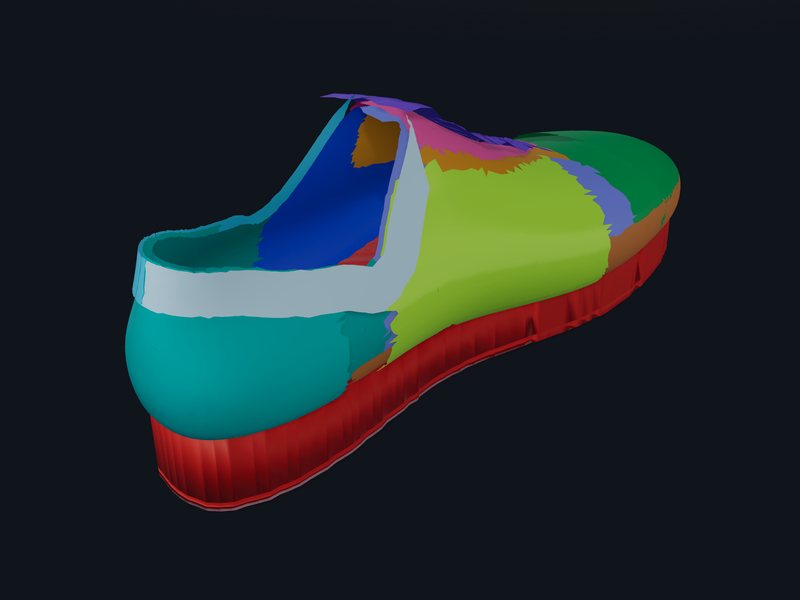
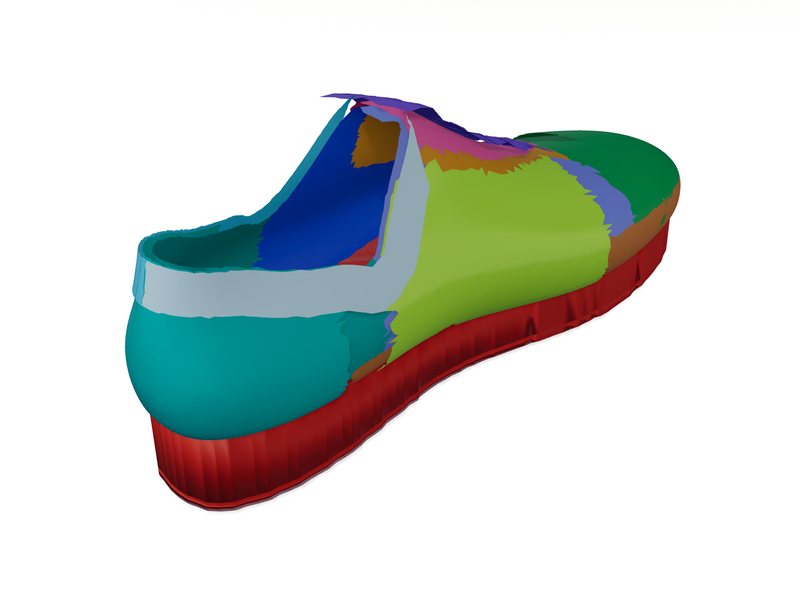
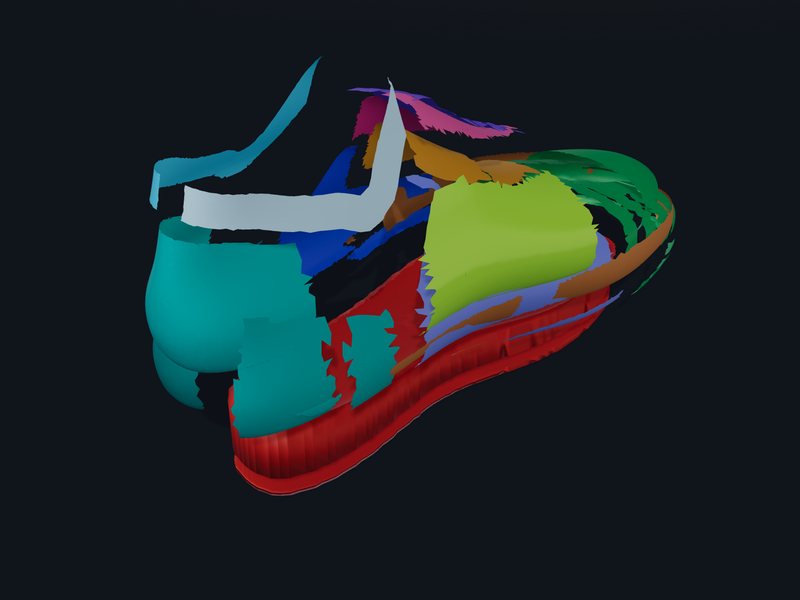
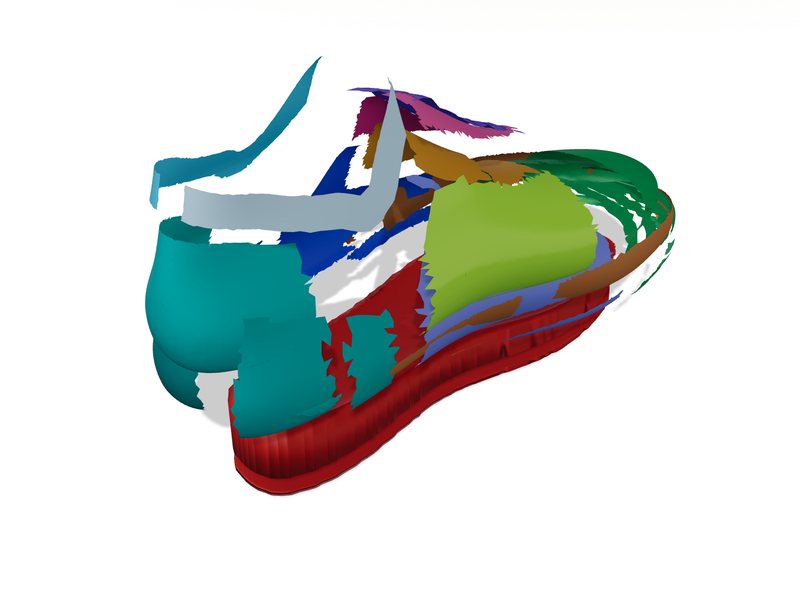
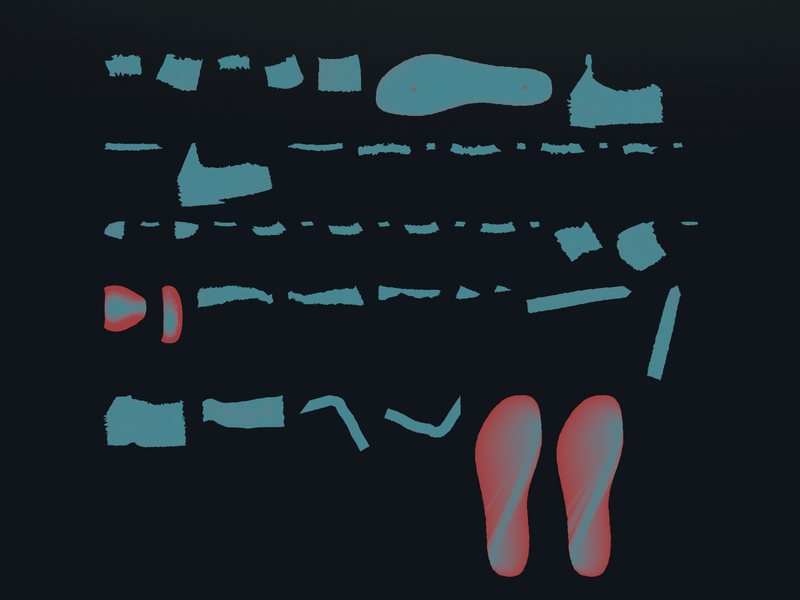
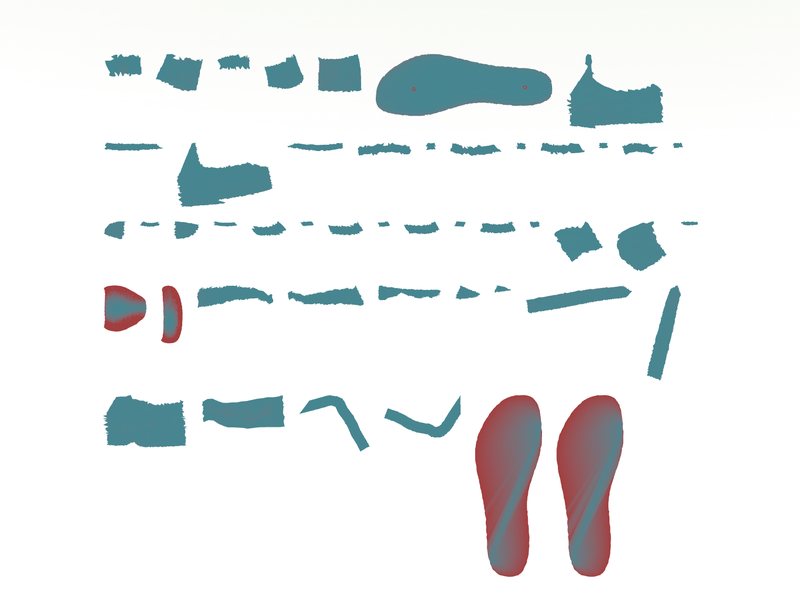
Every way to look at it.
Photoreal materials or plain colours, a wireframe to see the mesh, the panels stacked into a tower, fanned out or laid in a grid, and the strain on the flat pattern. Light or dark, your call.
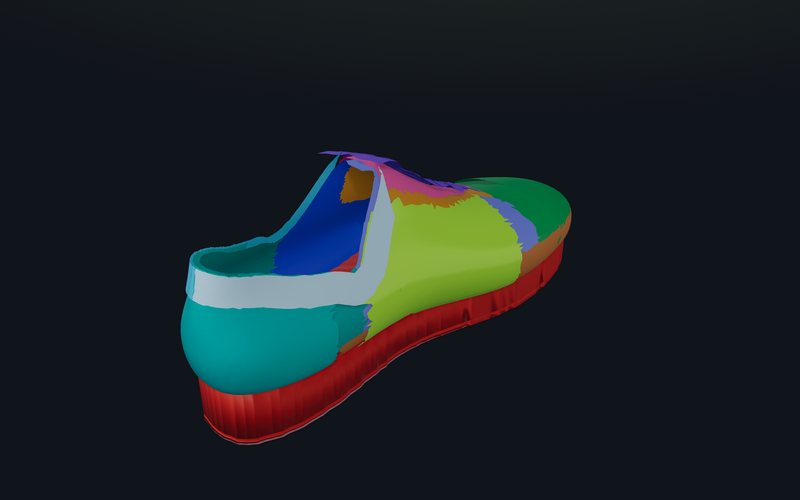
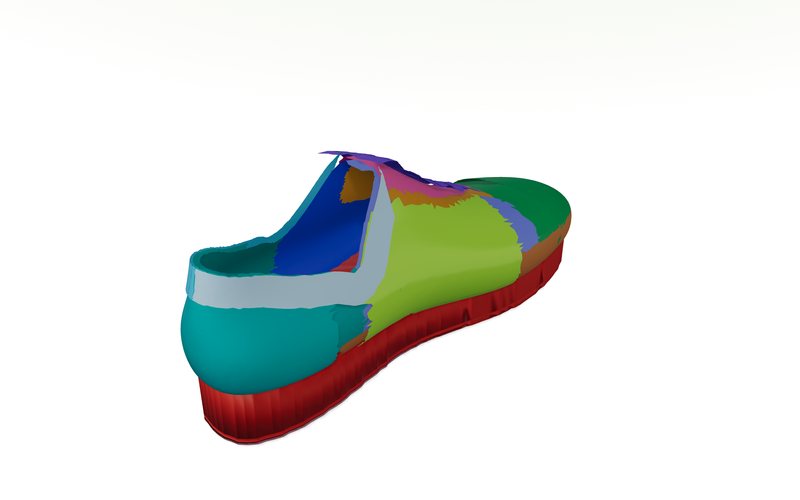
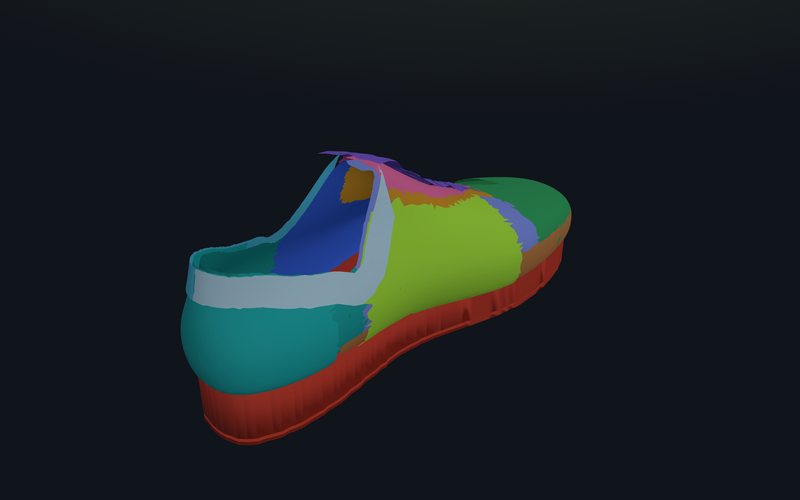
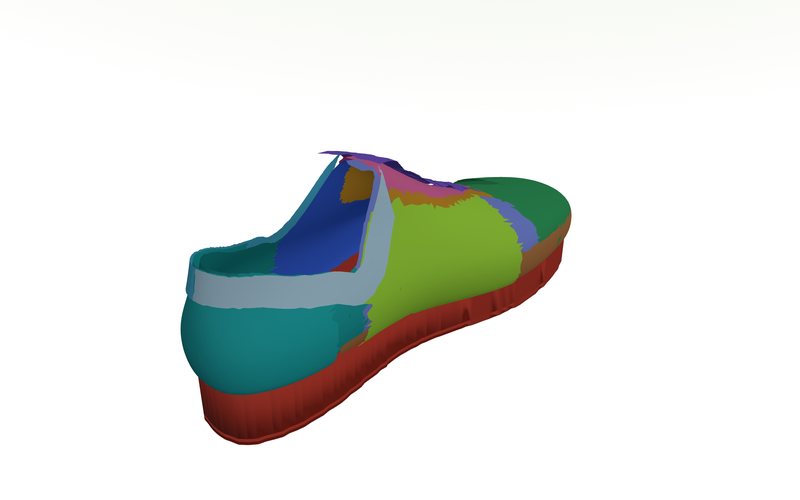
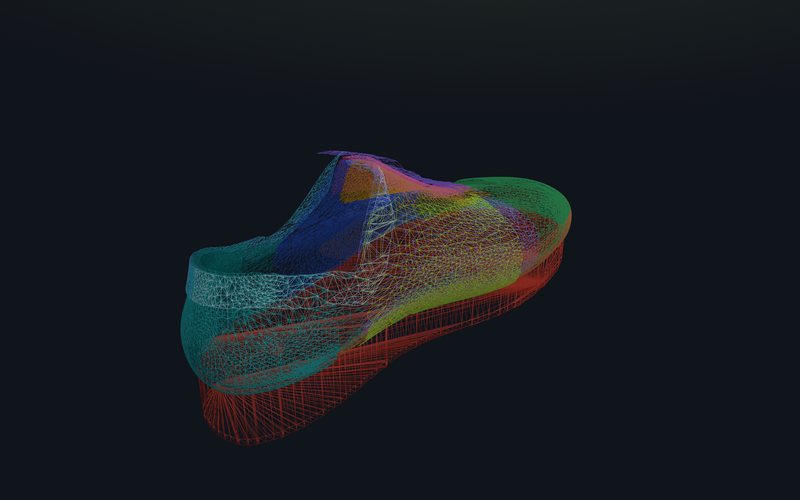
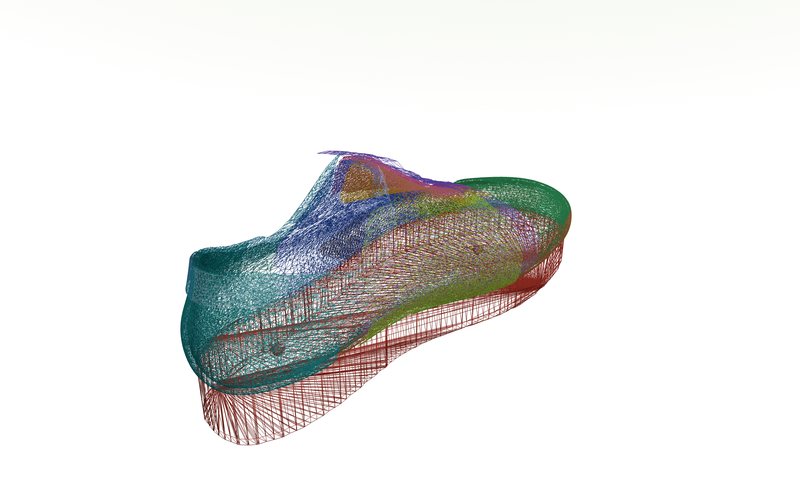
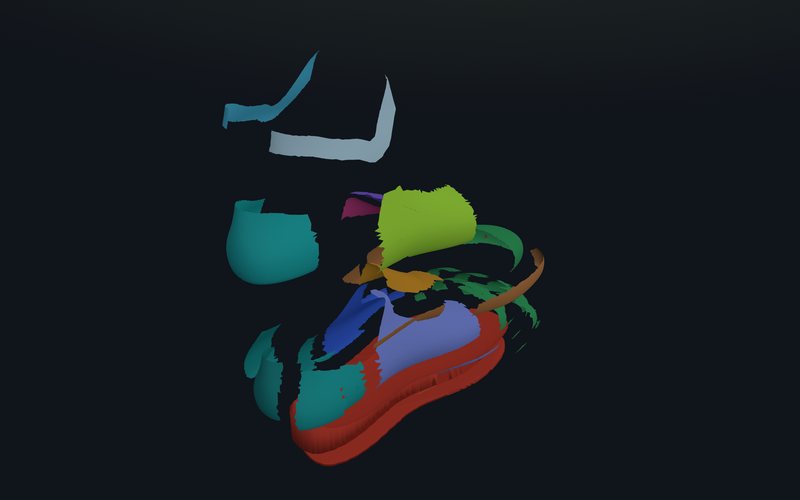
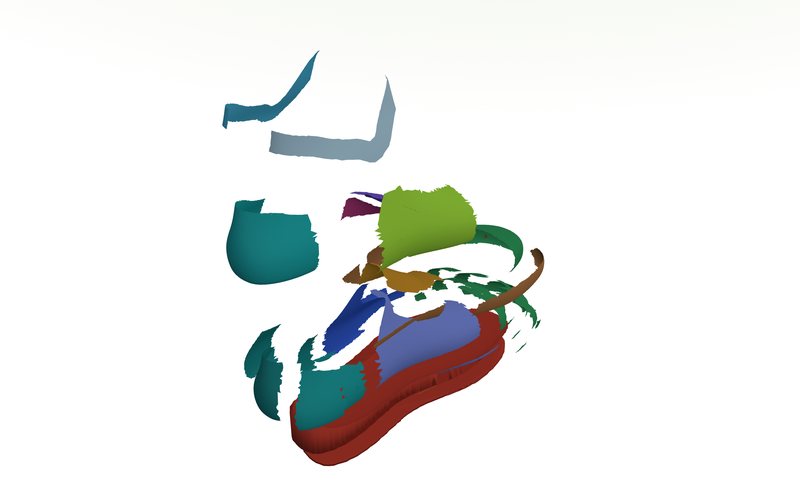
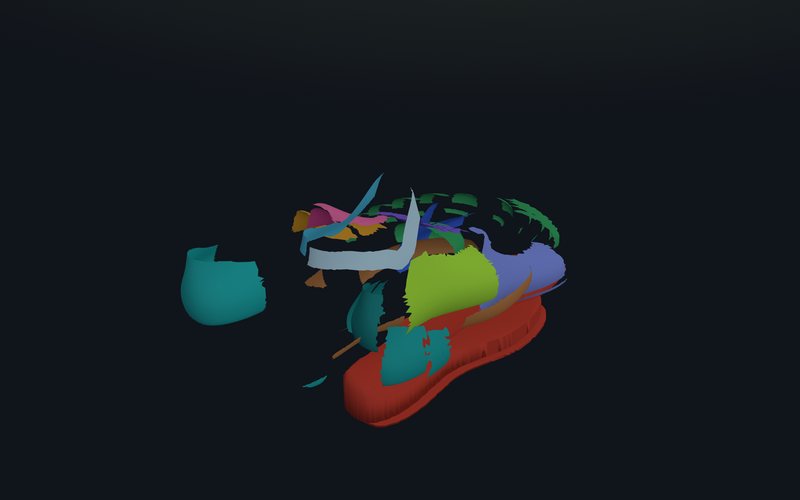
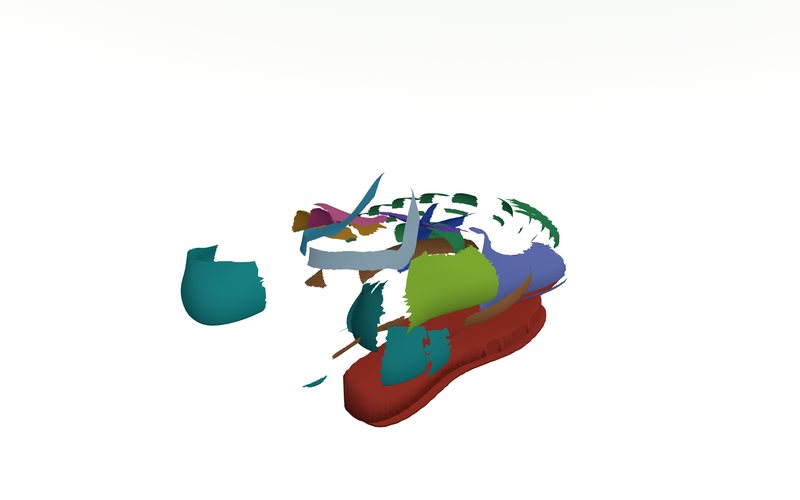
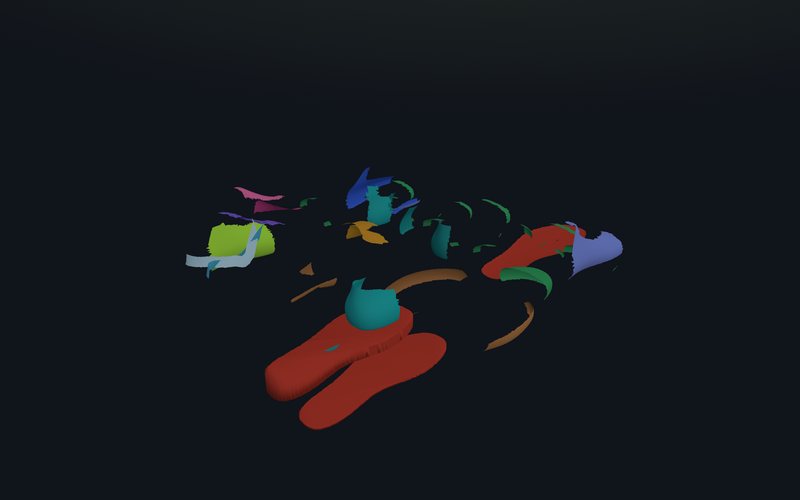
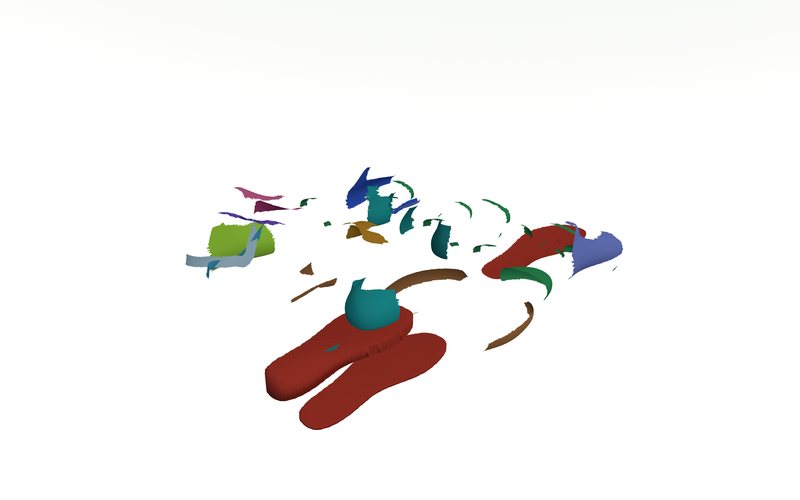
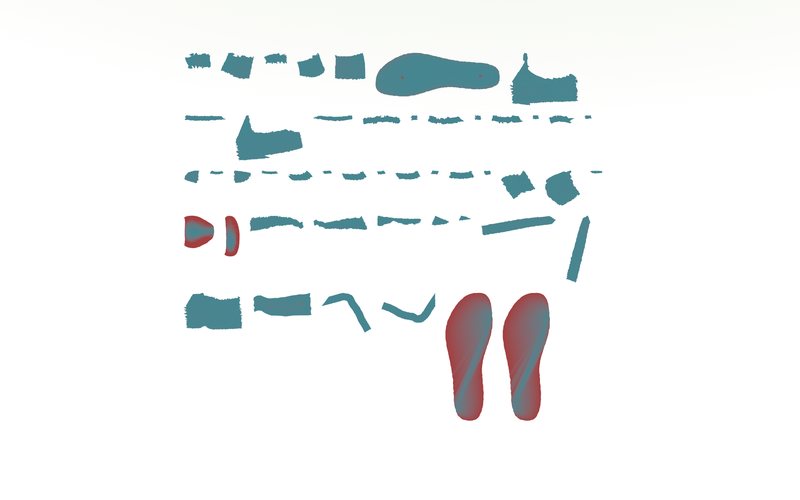
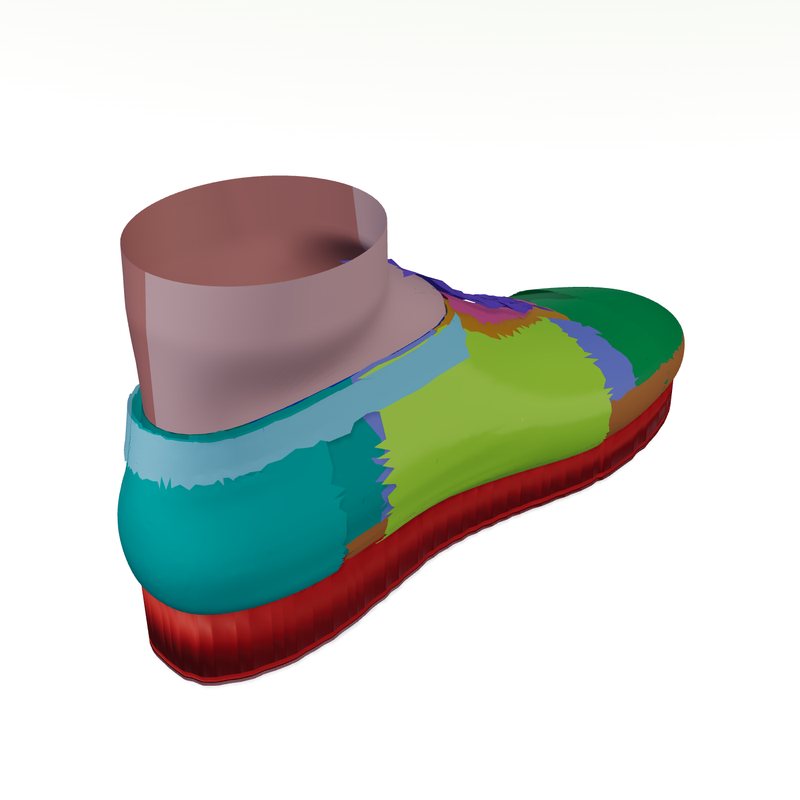
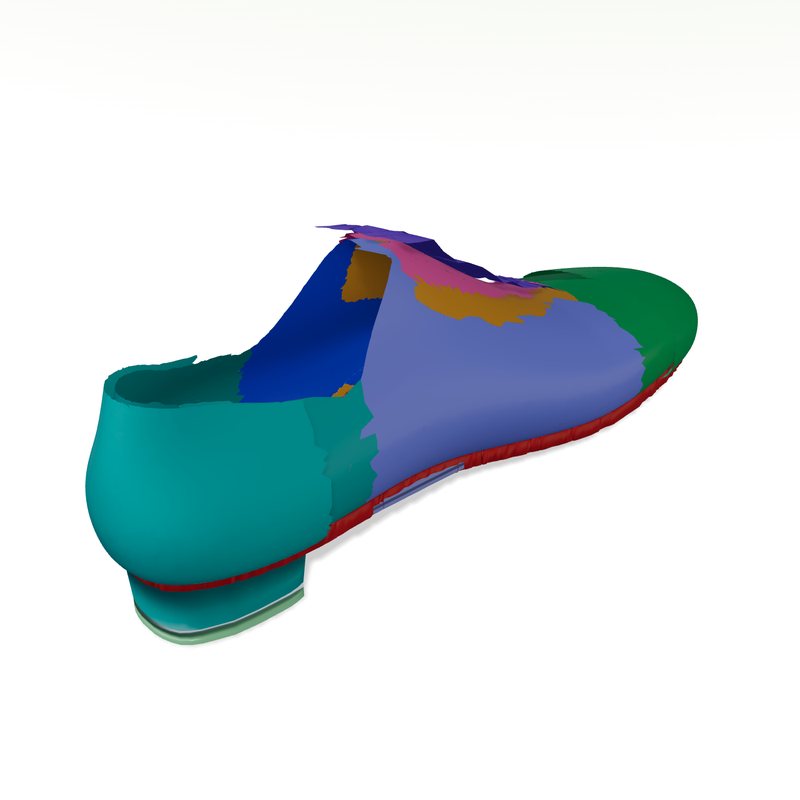
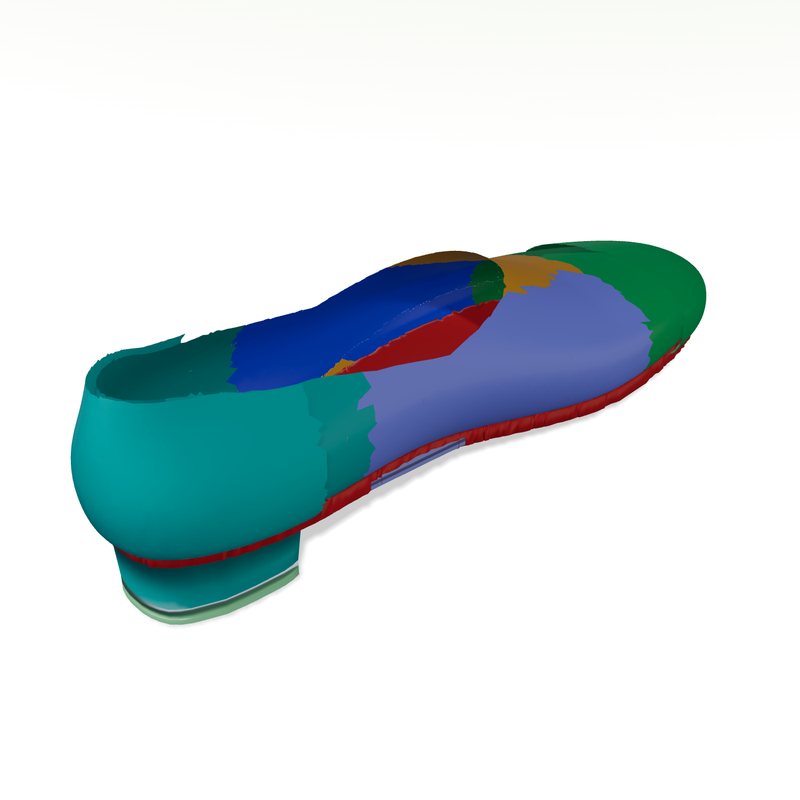
The same studio, same shoe: slide between dark and light.
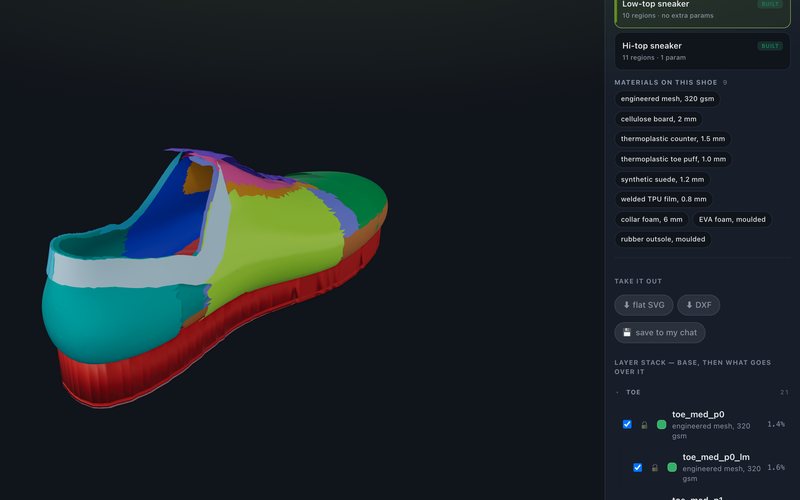
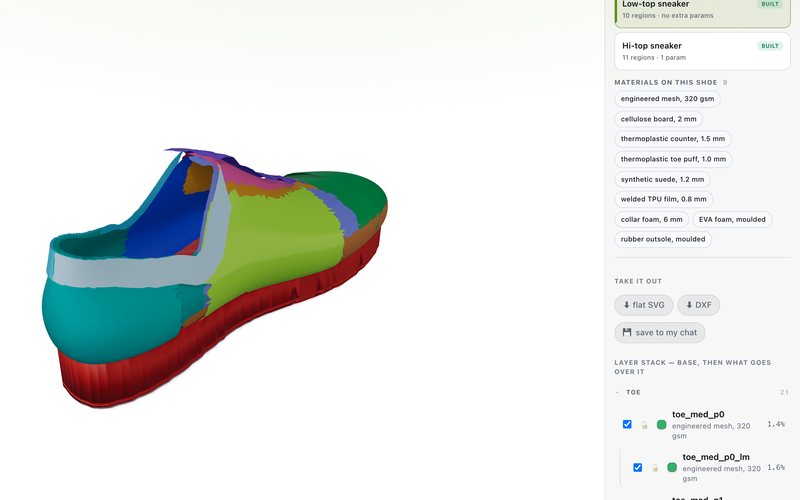
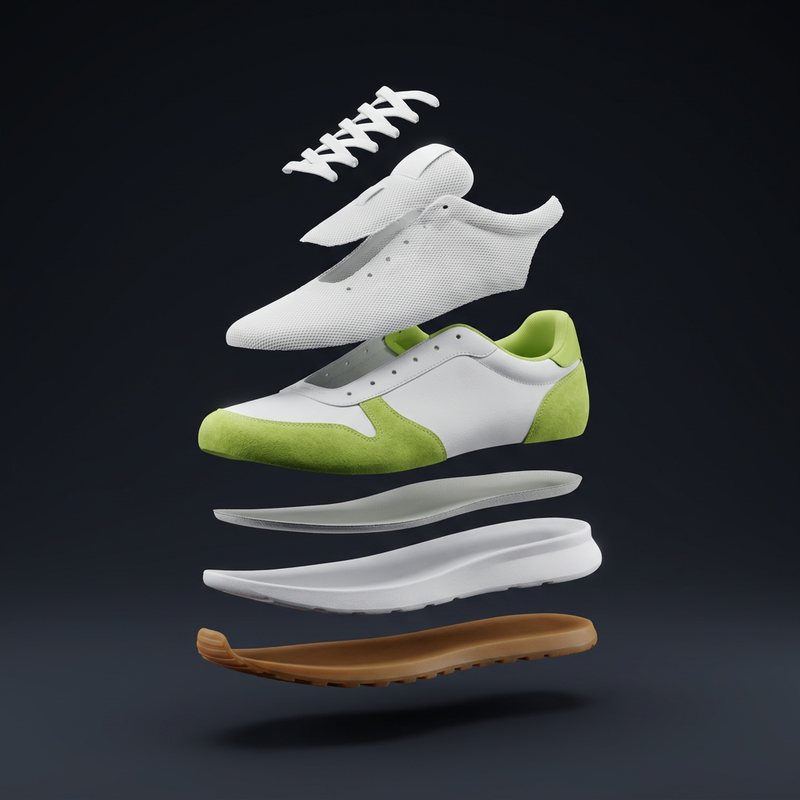
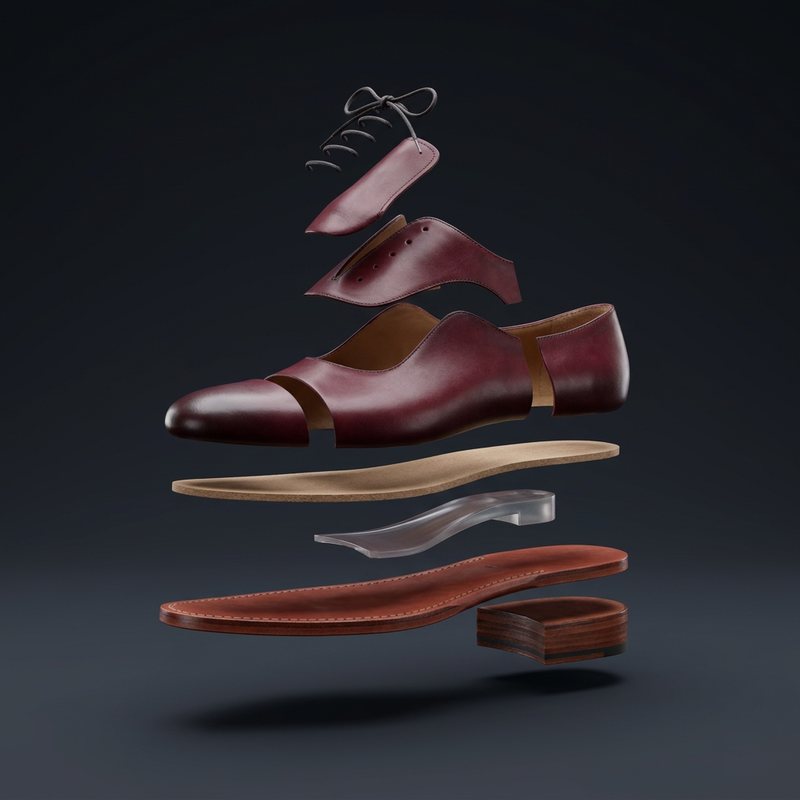
A shoe is a stack, not a surface.
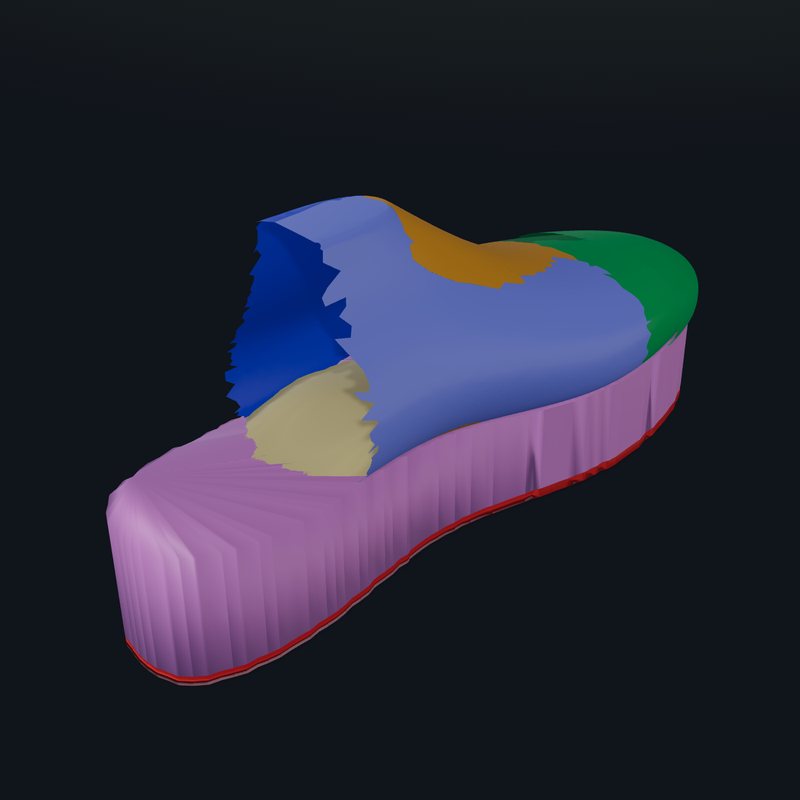
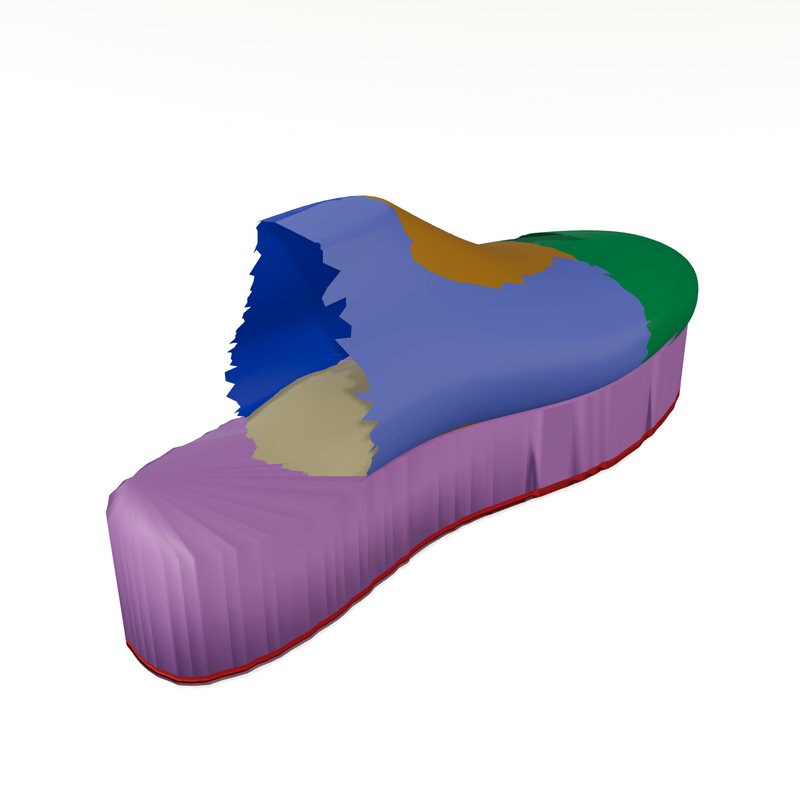
Every piece knows its role and what sits under it. Hide an overlay, lock a piece, or click its colour to restyle just that one, without touching the base below.
The stack, region by region
On the sneaker
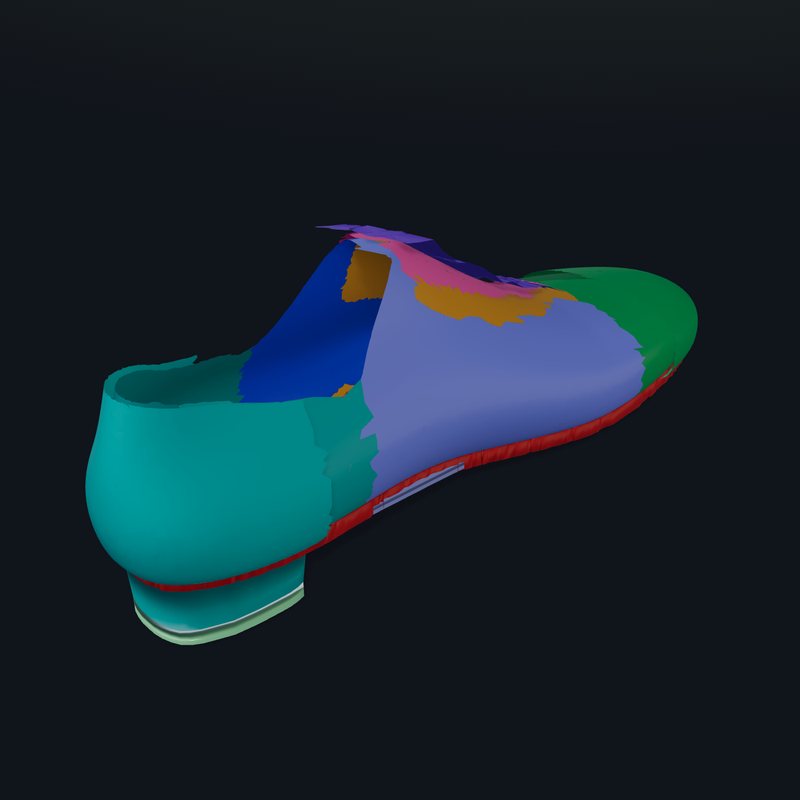
On the oxford
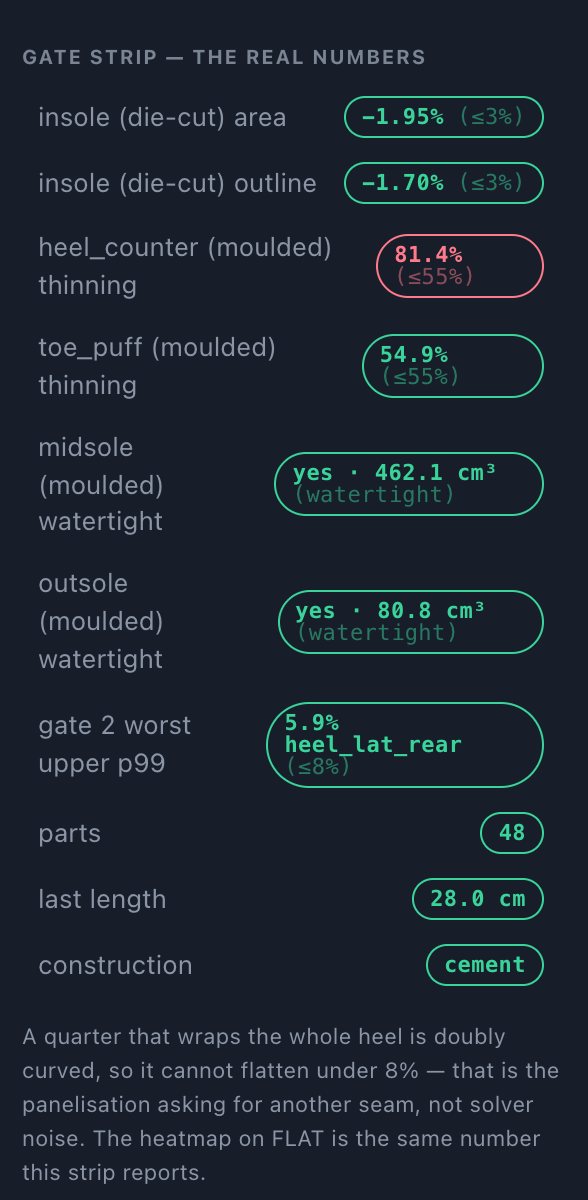
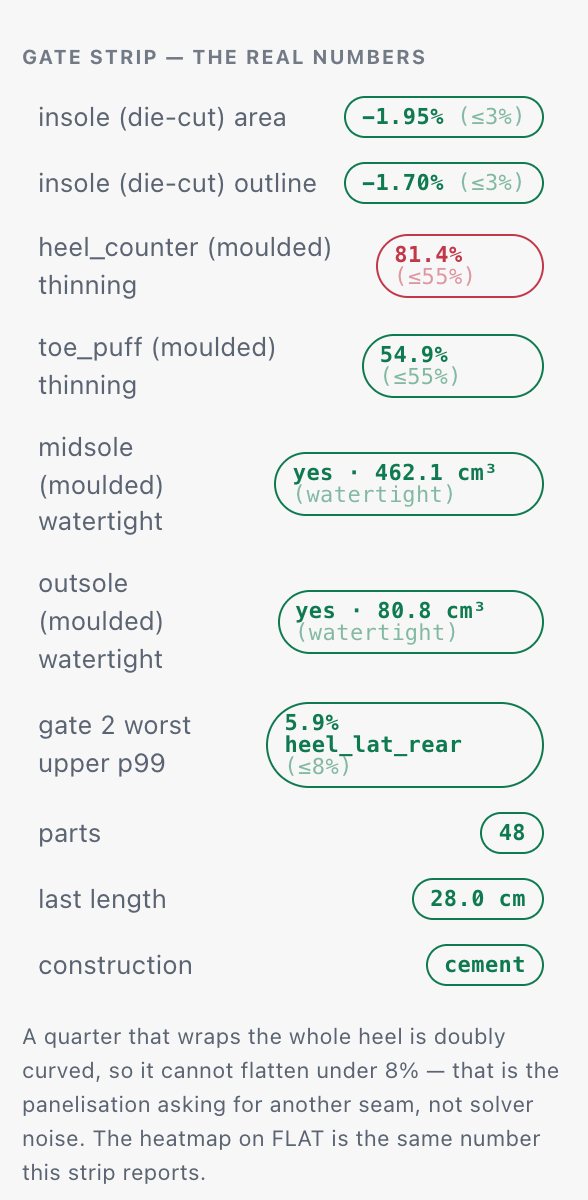
It tells you before the factory does.
The gate strip checks every shoe against factory limits as you work: how far the die-cut insole drifts, how thin the moulded heel counter and toe puff get, whether the midsole and outsole are watertight, and the worst stretch on the upper.
When a number goes red, the studio says why in plain words, like a quarter that wraps the whole heel needing one more seam.
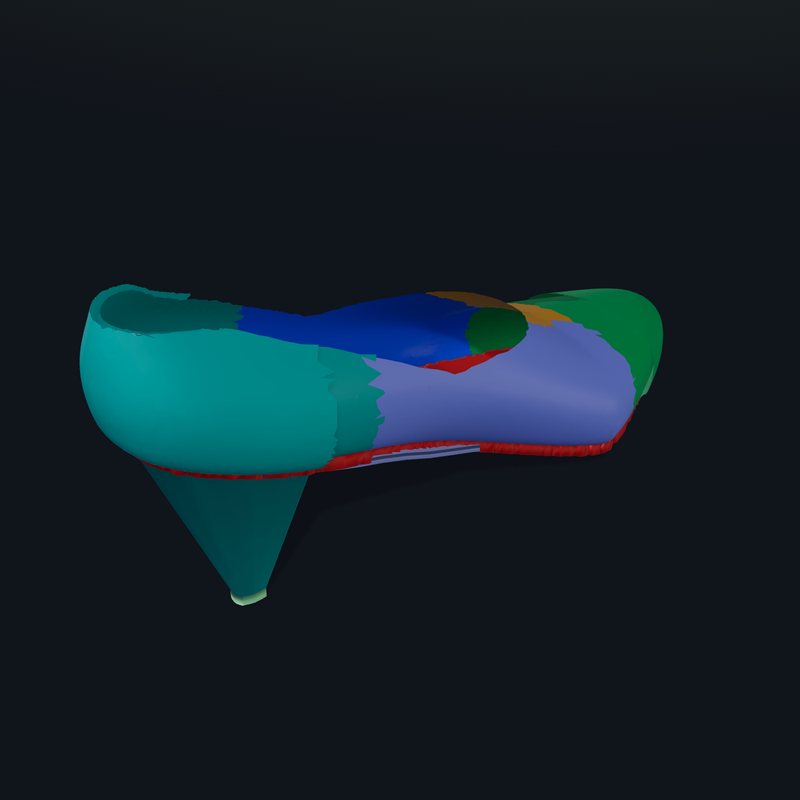
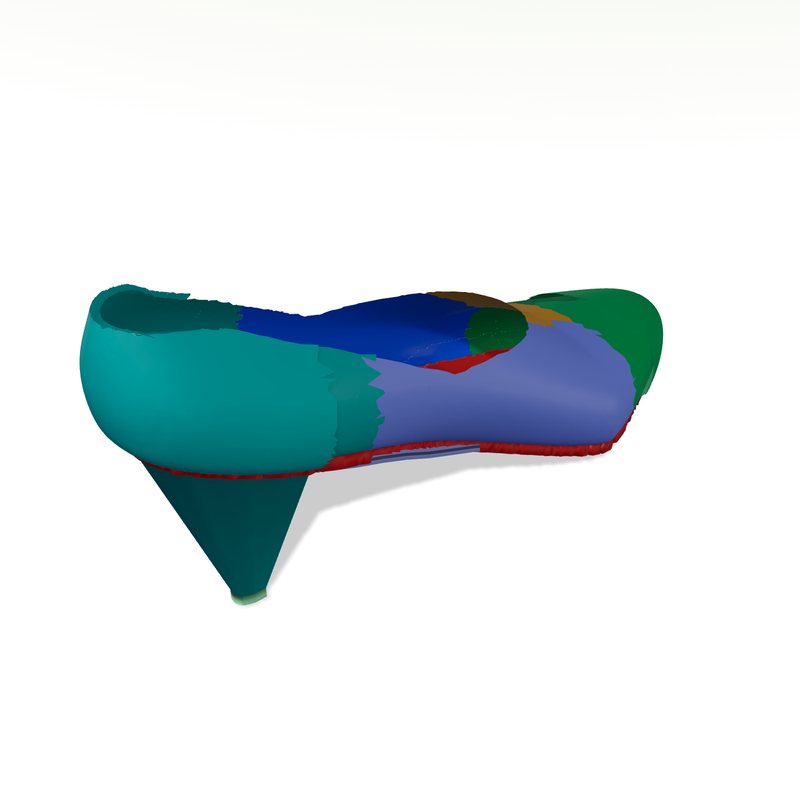
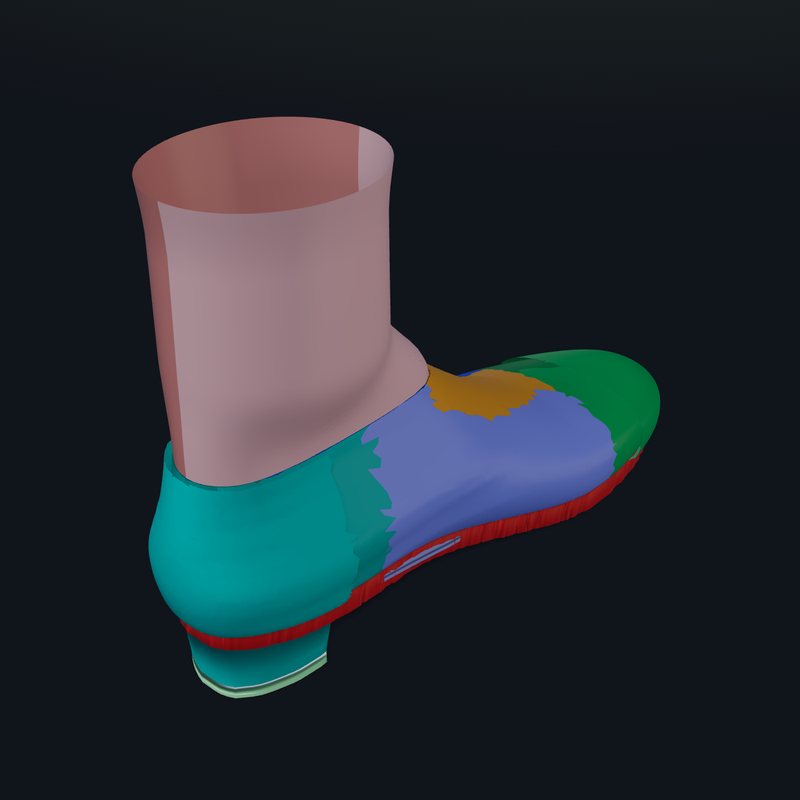
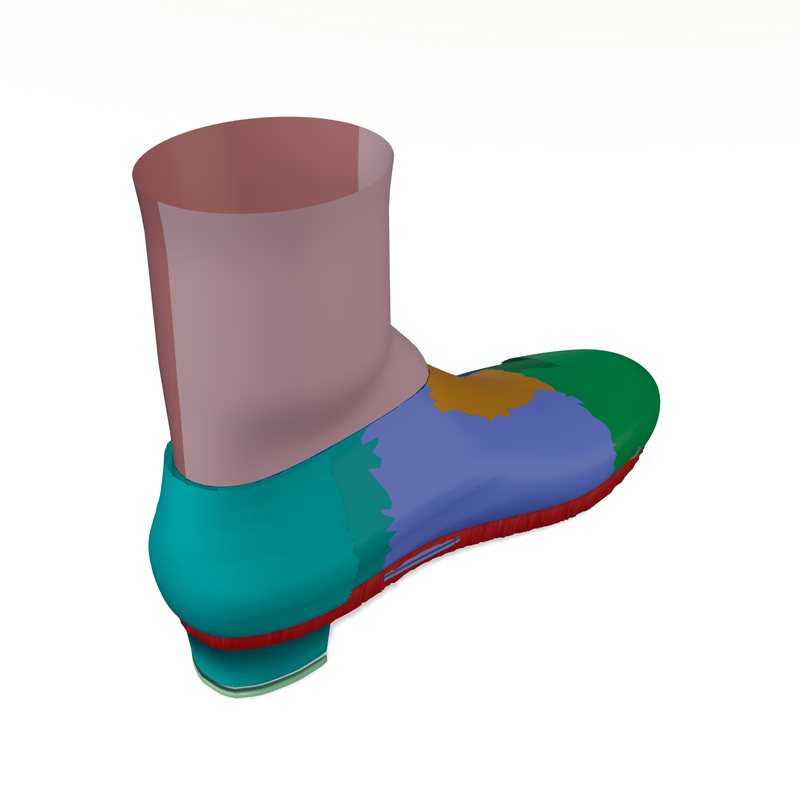
Seventeen styles. All built.
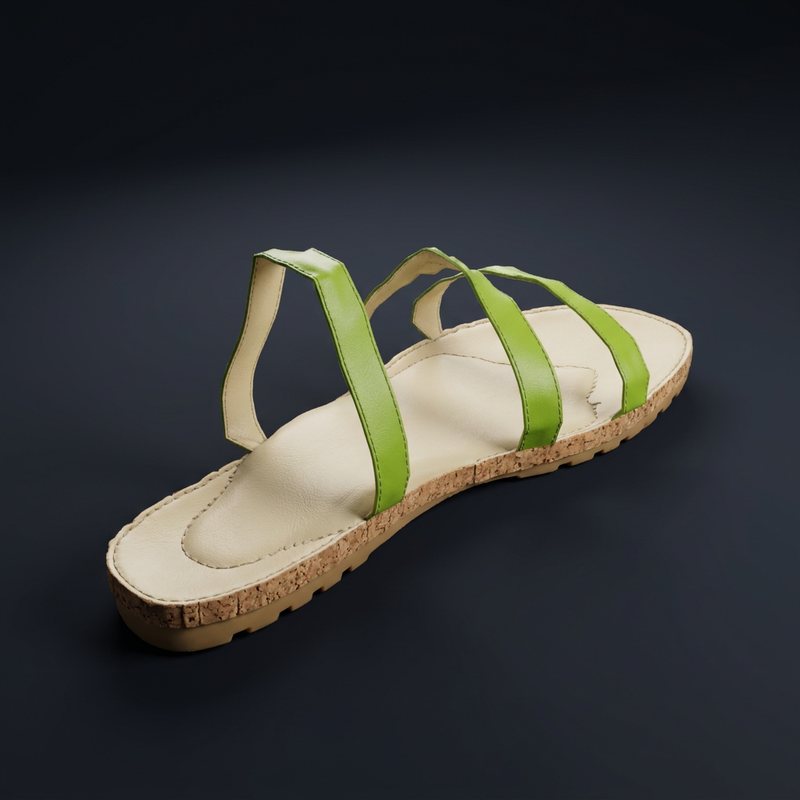
From sneakers to stilettos, every style opens on a real last, ready to shape.
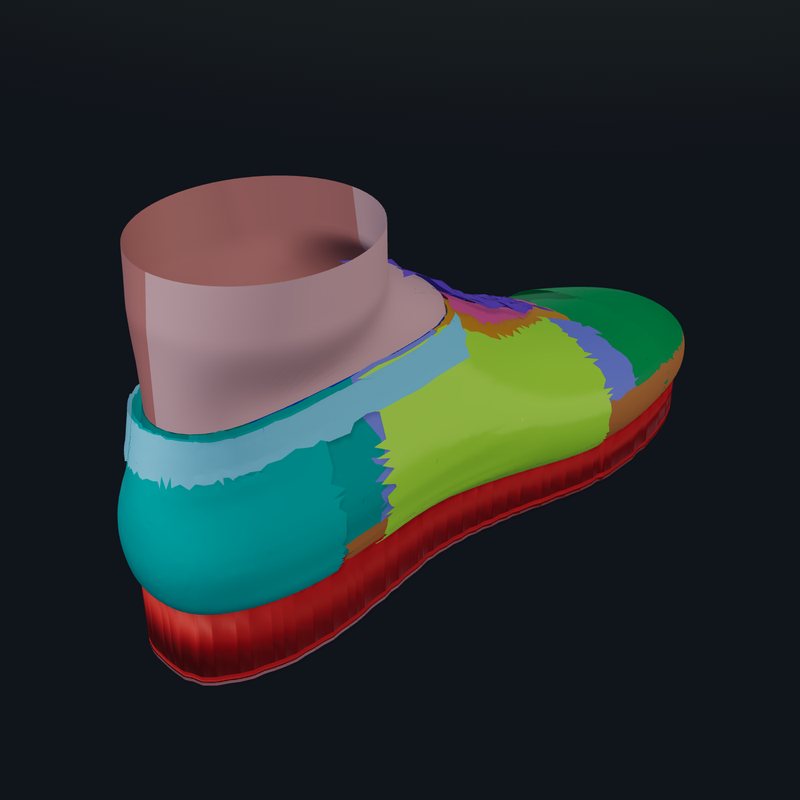
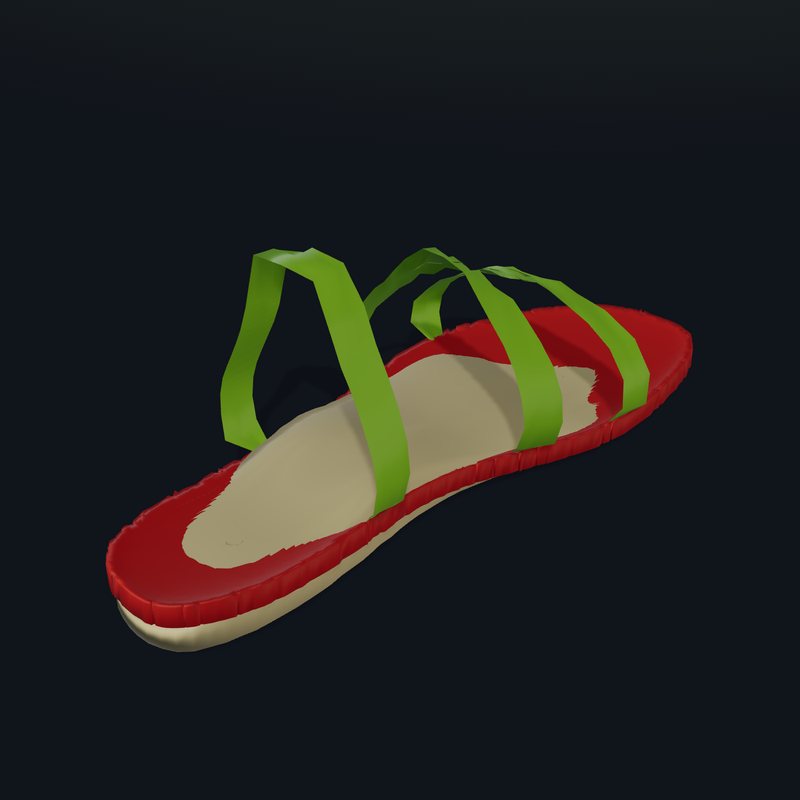
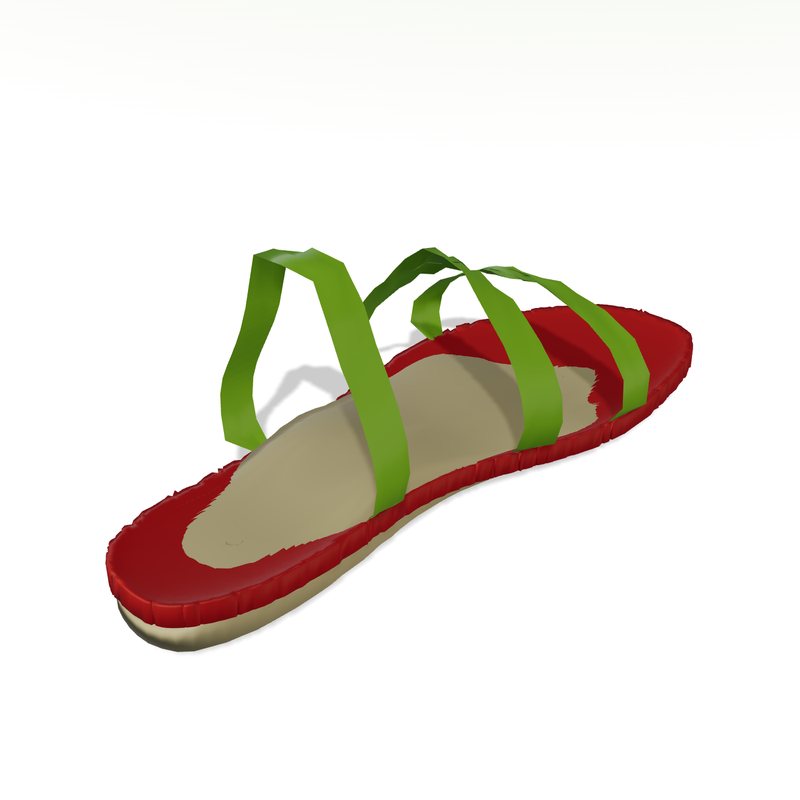
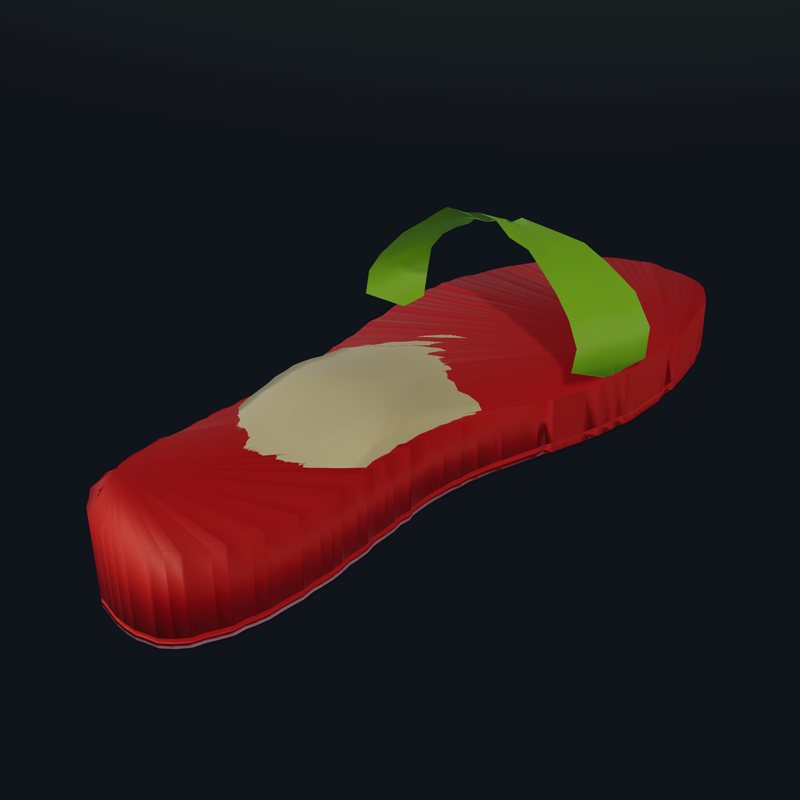
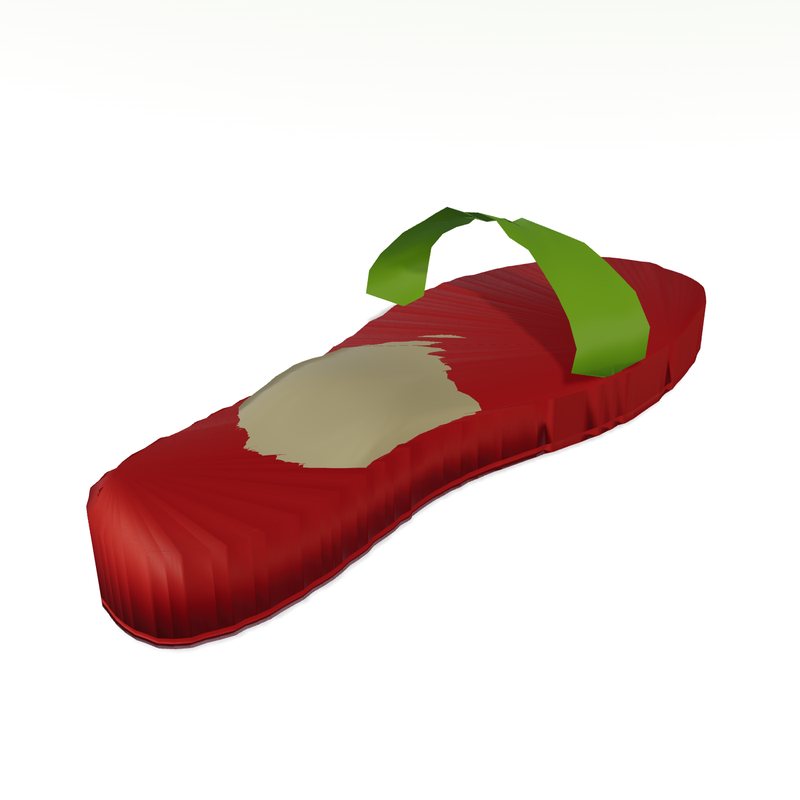
Make it yours. See it finished.
Choose the leathers, meshes and colours piece by piece, and Steve renders the finished shoe like a studio photograph. Then pull it apart to see exactly how it's built.
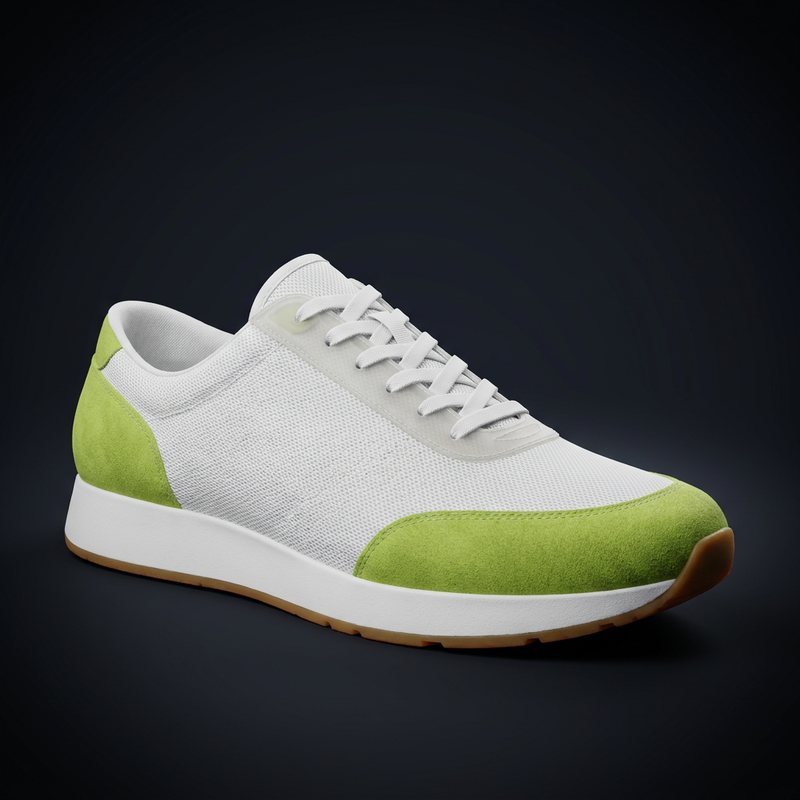
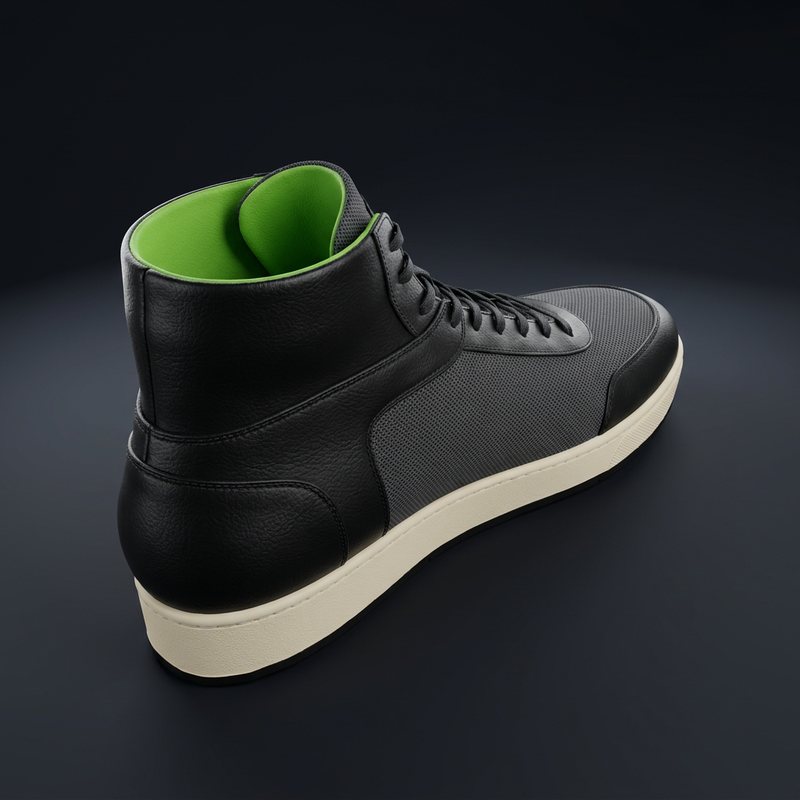
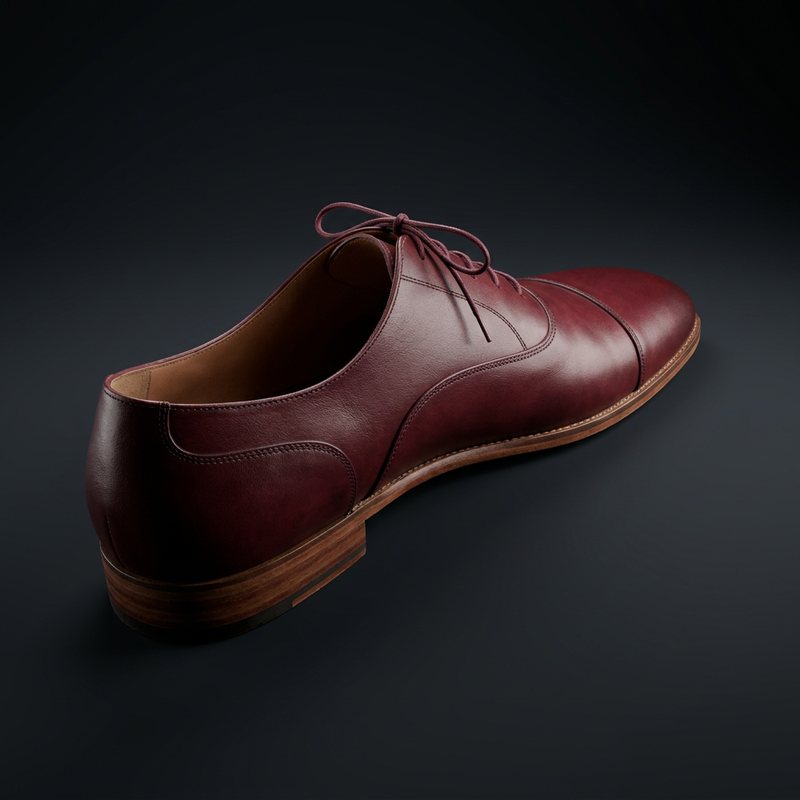

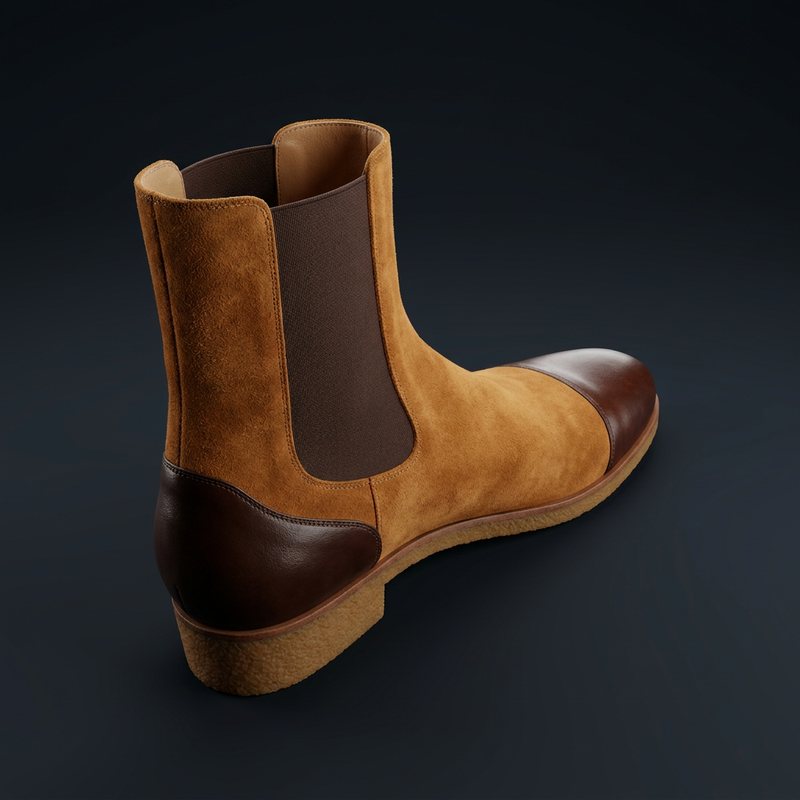
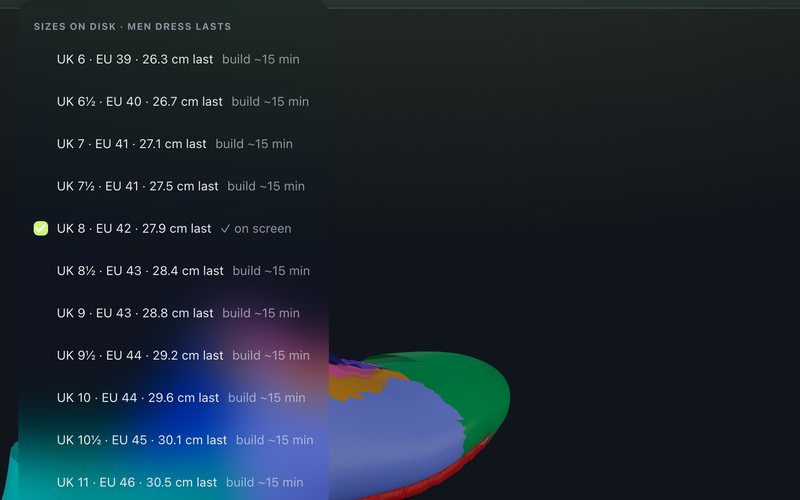
Real sizes. A pattern at 1:1.
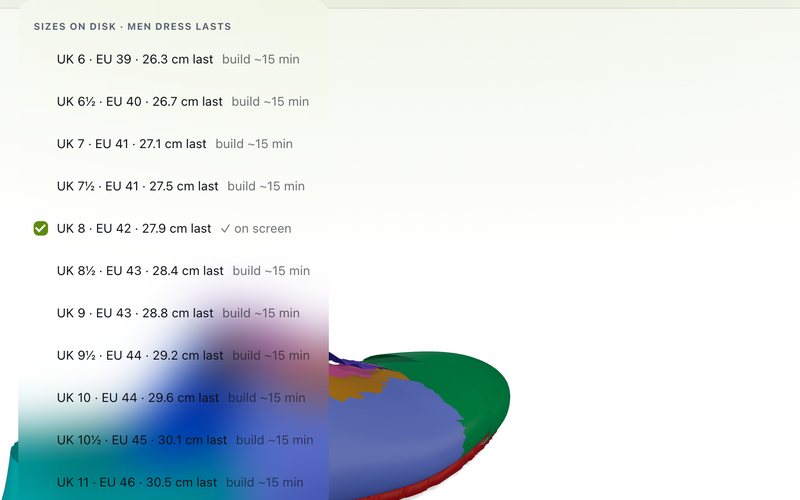
The oxford, derby and loafer come in every size on the men's dress lasts, UK 6 to UK 11, and the ballet flat and slingback on the women's flat lasts, each size with its last length. A size that isn't built yet takes about 15 minutes. The other styles come in one size. When the shoe is right, take the flat pattern out at 1:1 in millimetres.
This is the actual pattern.
Exported by thinkfoot for its sample low-top sneaker, EU 42: 46 flat pieces on a 926 × 654 mm sheet, net sewing lines for one shoe, scale 1:1, with the midsole and outsole kept as 3D parts.
The shoe is only the start.
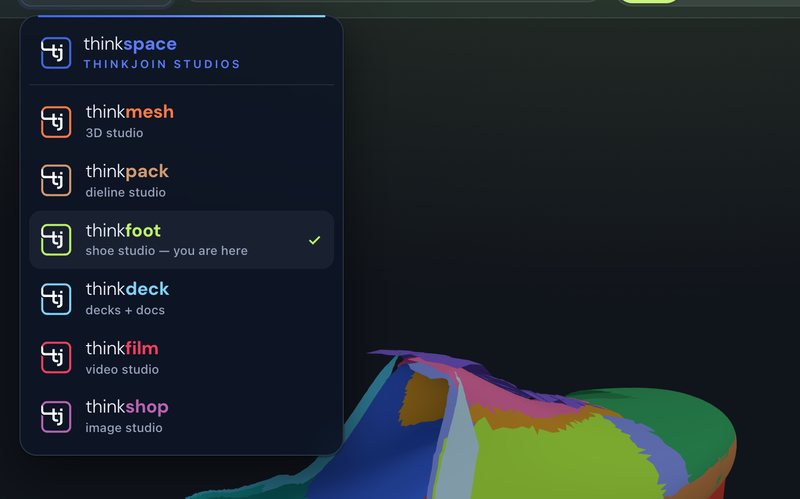
thinkfoot sits inside thinkjoin's 3D studio. One tap on the thinkfoot mark opens every thinkjoin studio, and Steve is a chat away.
Design the shoe. Get the pattern.
Create your thinkjoin account, then open thinkfoot and start from any of the seventeen styles.